Canvas Prints vs. Original Paintings: Choosing What Works Best for Your Interior
Table of Content
In this guide, I compare canvas prints vs. original paintings to help you decide which option is right for your space and personal preference. Whether you’re choosing art for your home, office, or as a gift, this article breaks down the key differences between popular options for displaying your custom wall art.
Understanding the distinct qualities of canvas art prints and original canvas paintings makes it easier to select the medium that best aligns with your aesthetic, purpose, and budget.
This guide is designed for homeowners, renters, collectors, investors, interior designers, and gift buyers who want to make informed art choices and get the most value and enjoyment from their purchase.
Canvas Prints vs. Original Canvas Paintings: Quick Comparison
This quick comparison breaks down the essential differences between canvas art prints and originals, from accessibility to emotional and investment value. It’s a helpful starting point for making an informed art choice.
Factor | Canvas Prints | Original Artworks | Cost | $50–$650 typical | $1,000–$50,000+ |
|---|---|---|
Uniqueness | Unlimited reproductions possible | One-of-a-kind artwork |
Care | Low maintenance, easy to replace | Requires careful handling, professional conservation |
Resale Value | Minimal to none | May appreciate 5–10% annually |
Durability | 50–100 years (archival quality) | Centuries (with care) |
Maintenance | Easy to clean, replaceable | Needs professional care, sensitive to environment |
Display Options | Frameless or framed print, lightweight | Often requires framing, heavier, more secure hanging |
Canvas prints (including photo-to-canvas options) work best for budget-friendly home décor, gifts, and spaces where durability matters more than exclusivity. Original artworks suit collectors, investors, interior designers and anyone seeking a truly unique piece with emotional depth. Originals generally carry unique characteristics, higher long-term value and create a stronger lasting impression. Digital prints win on price, various sizes flexibility, and lower maintenance requirements.
High-quality canvas prints, particularly limited editions by recognized artists, bridge the gap between original artworks and standard canvas art prints. They offer a more meaningful and exclusive alternative to big-box décor retailers.
Who Should Choose What
Choosing between a canvas print and an original painting depends on your goals, budget, and space. The bullet points below break down which option best fits collectors, homeowners, renters, designers, and gift buyers.
- Renters and first-time decorators: Canvas art prints are a great way to explore your style without major investment.
- Budget-conscious buyers: Fine art prints offer the beauty of artistic vision at accessible prices.
- Collectors and investors: Original artwork provides uniqueness and potential appreciation.
- Interior designers: Mix both – use art prints for cohesive themes and originals as focal points.
- Gift-givers: Photo-to-canvas prints make meaningful, personalized presents.
By understanding these differences, you can confidently select artwork that aligns with your goals, and personal connection to art.
What Is a Canvas Print?
A canvas print is an image, whether a photograph, digital artwork, or reproduction of an existing painting, printed with inkjet or giclée technology onto cotton or poly-cotton canvas, then stretched over a wooden frame with stretcher bars.
High-quality canvas prints often use archival inks rated for 75–200 years of fade resistance, along with UV-protective varnish for colour stability in normal home conditions. Giclée prints are known for their exceptional quality and archival longevity, making them a preferred option for fine artists.
#1 Canvas Prints and Originals
An art print is a creation of modern printing technology that lacks the brushwork of an artist’s originals. Original paintings show irregular, continuous strokes, while prints display a grid of tiny regular dots or screen patterns. Experts can use strong magnification to examine the surface of a genuine painting to distinguish it from a printed surface.
The texture you feel on a canvas print comes from the canvas weave itself, not from actual brushstrokes like in oil, acrylic, or watercolour paintings. If you look closely, you’ll notice a dot pattern made up of tiny dots of ink from the printer, rather than the irregular pigment application and textured ridges of a real painting.
#2 Canvas Prints’ Materials
The choice of canvas material, such as cotton or poly-cotton, impacts the quality, appearance, and price of canvas prints. High-quality canvas material contributes to a professional, textured finish that adds depth to canvas wall art.
#3 Common Types of Canvas Prints
When choosing art for your space, it helps to understand the different options available. Below, I’ll explain the main types of artwork and who each is best suited for.
- Stretched Canvas Prints: Gallery-wrapped edges give a clean, finished look, ready to hang with no frame required. Best suited for homeowners or renters who want modern, minimal art that’s easy to display.
- Framed Prints: Floating or traditional frames add a polished, gallery-style finish to any space. Ideal for those seeking a more refined, classic presentation or for interiors where framed prints complements existing décor.
- Photo-to-Canvas Prints: Personal photographs transformed into large-scale canvas wall art for a unique, personalized touch. Perfect for gift buyers, families, or anyone wanting custom, meaningful artwork for their home or office.
No matter which type you choose, understanding the differences helps you select artwork that perfectly fits your space, style, and personal connection to art.
What Is an Original Painting?
Original paintings are unique, hand-made artworks. An original piece is a one-of-a-kind fine art created directly by the artist on canvas, wood panel, or similar support using media such as oil, acrylic, or watercolour painting techniques. Paintings typically have raised brushstrokes, while prints have flat surfaces with dots of ink. As a form of original art, every brushstroke, colour layering decision, and textural choice stems from the creator’s direct physical engagement with the artwork materials.
Unlike reproductions, originals exists in only one physical version. Even if an artist later produces prints of the artwork, only one authentic original exists. These fine art pieces are usually signed by the artist, often dated, and sometimes include a title on the back.
#1 Key Characteristics of Originals
Originals are unique works of fine art. Each with one-of-a-kind qualities that digital reproductions cannot replicate.
- Visible, irregular brushstrokes or palette knife marks: Thickness and texture vary across the artwork surface.
- Layering: Techniques like impasto, glazes, or underdrawing may be visible at edges or under raking light.
- Small imperfections and details: Paint drips, corrections, and texture variations reflect the hand of the artist.
- Unique dimensional qualities: Collectors often describe these textures as emotionally engaging.
Research shows that viewing original works can trigger up to ten times more emotional response than digital art prints. It’s important to note that “original artworks” differ from “original art prints” such as etchings, lithographs, or woodcuts. This guide focuses specifically on original pieces versus digital canvas reproductions.
#2 Provenance and Value of Fine Art Pieces
Provenance, including gallery labels, certificates of authenticity, and exhibition history, often comes with original pieces and greatly influences their value. This documentation traces the artwork’s ownership, confirming its authenticity and helping it appreciate over time. Valuable originals may also need specialized insurance and extra security to protect them.
Visual and Tactile Differences: Canvas Prints vs. Original Paintings
Whether you’re browsing a gallery, shopping online, or evaluating fine art at an estate sale, knowing how to distinguish originals from digital prints helps you make informed purchases. Below, we break down the key visual and tactile differences so you can easily distinguish an original artwork from a canvas wall art print.
#1 Surface Texture
- Original paintings: Raised, inconsistent brushstrokes create three-dimensional texture you can see and feel. Paint edges catch light differently across the surface. The impasto, thick paint application, creates shadows and depth impossible to replicate through digital printing.
- Canvas prints: Flat surfaces with uniform sheen. Any “texture” is typically part of the fine art prints rather than physical relief. Some premium prints add a texture gel coating to simulate brushstrokes, but close inspection reveals the difference.
#2 Edges and Sides
- Original paintings: Paint often wraps over edges in one-of-a-kind work. You might notice pencil marks, smudges, or variations where the artist handled the canvas. The back may show sketch marks or artist notes.
- Canvas prints: Clean, evenly printed images or solid-colour sides. No paint build-up or accidental marks. Factory-produced prints often have barcodes, production codes, or manufacturer labels on the back.
#3 Close-Up Detail
- Original paintings: Subtle colour blends and transitions created by mixing pigments on the palette and canvas. Colours shift and change as you move your viewing angle.
- Canvas prints: Microscopic dot or grid pattern from inkjet processes becomes visible under magnification. This is true even for the highest print quality reproductions.
#4 Light Behavior
- Original paintings: Varied reflection due to different paint thickness and varnish application. Under raking light (light from the side), brushstroke shadows appear dramatically.
- Canvas prints: More uniform reflection across the entire art print surface. If varnished, the glossy or satin finish appears evenly flat throughout.
Cost, Value, and Investment Potential of Real Paintings and Digital Prints
Understanding the cost and value of artwork is key for making informed purchases, whether for personal enjoyment or investment. In the sections below, we’ll explore what drives canvas print pricing, what influences the value of original pieces, and how both options can hold long-term financial potential.
#1 What Drives Canvas Print Pricing (Framed Prints, Print Quality, Canvas Material and More)
- Size: Larger prints require more canvas materials and labor.
- Quality of canvas and printing process: The quality of the canvas and the printing process significantly affect the price of canvas prints, as higher-grade materials and advanced printing technology ensure better colour accuracy and durability.
- Stretcher bar depth: The depth of the wooden frame (stretcher bar) used for canvas prints influences both the aesthetics, giving a more substantial, gallery-style look, and the overall cost, as deeper frames require more material and craftsmanship.
- Framing and finishing: Custom frames, protective coatings, and mounting options add to the artwork cost.
- Edition size: Limited edition prints are priced higher than open editions due to exclusivity.
#2 What Drives Original Painting Pricing
- Artist reputation: Student, emerging, mid-career, or established status.
- Medium and scale: Large oil paintings typically command more than small works on paper.
- Time invested: Complex abstract art or detailed compositions require more labor.
- Sales history: Previous auction results and gallery representation.
#3 Long-Term Financial Value
- Canvas prints: Minimal resale value in most cases. The market treats prints as décor, not investment, unless you’re buying limited edition, giclée prints by recognized artists with small edition sizes.
- Original paintings: Original paintings command higher prices and can appreciate in value significantly over years or decades. Art world indices like Mei Moses index suggest high-end originals from recognized artists yield average annual returns of 5–10%. Pieces by emerging artists can double in value if the artist gains gallery representation or critical recognition.
If potential appreciation and uniqueness matter to you, prioritize originals. If budget and visual impact are your ultimate goal, high-quality canvas prints deliver excellent value.
Durability, Care, and Longevity
Understanding the durability and care requirements of different types of artwork is essential when choosing pieces for your home, office, or any fine art collection. Each medium, canvas prints and originals, has unique characteristics that affect how long it lasts and how it should be maintained. Below, we explore the key differences in durability, longevity, and care for both types.
#1 Canvas Print Durability
- Archival-quality prints using pigment inks and UV varnish resist fading for 50–100 years under normal indoor conditions.
- Cheaper prints with dye-based inks on polyester canvas may fade within a decade under strong UV light.
- Generally more tolerant of moderate humidity and everyday handling than delicate works on paper.
- Easy to replace if damaged, just reorder from the original image file.
#2 Original Pieces Durability
- Oil paintings on canvas can last centuries: Dutch Golden Age works from the 1600s remain vibrant today.
- Sensitive to humidity fluctuations, heat, and prolonged UV light exposure.
- Acrylic paintings (popular since the 1950s) tend to be more flexible and less prone to cracking.
- May require professional conservation every few decades for high-value works.
#3 Care Tips for Both
- Hang away from radiators, steamy bathrooms, and direct south-facing windows.
- Dust gently with a soft, dry cloth, avoid glass cleaners or harsh chemicals.
- For valuable originals, consult a professional conservator before attempting any cleaning.
- Framed prints under glass gain additional protection from dust and UV exposure.
By understanding these differences, you can make informed decisions about which type of artwork suits your lifestyle, space, and long-term preservation goals.
Emotional Impact and Personal Connection
Colours play a vital role in art, conveying emotions and setting the tone for a space. However there’s a different feeling when standing before an genuine painting versus a reproduction, even of the same artwork. Whether you choose a canvas print, framed print, or another type of medium, each format can showcase artwork in a way that creates a unique emotional impact. Many collectors describe originals as having a palpable presence, an “energy signature” from knowing the artist physically worked that exact surface.
#1 The Appeal of Genuine Paintings
- Sense of presence: Knowing the artist’s hands touched this exact canvas wall art creates emotional resonance.
- Unique details: Corrections, texture variations, and subtle imperfections invite extended viewing.
- Greater perceived authenticity: The “aura” of an original canvas wall art influences how long people engage with the piece.
- Artistic vision made tangible: Every micro-decision the artist made remains visible.
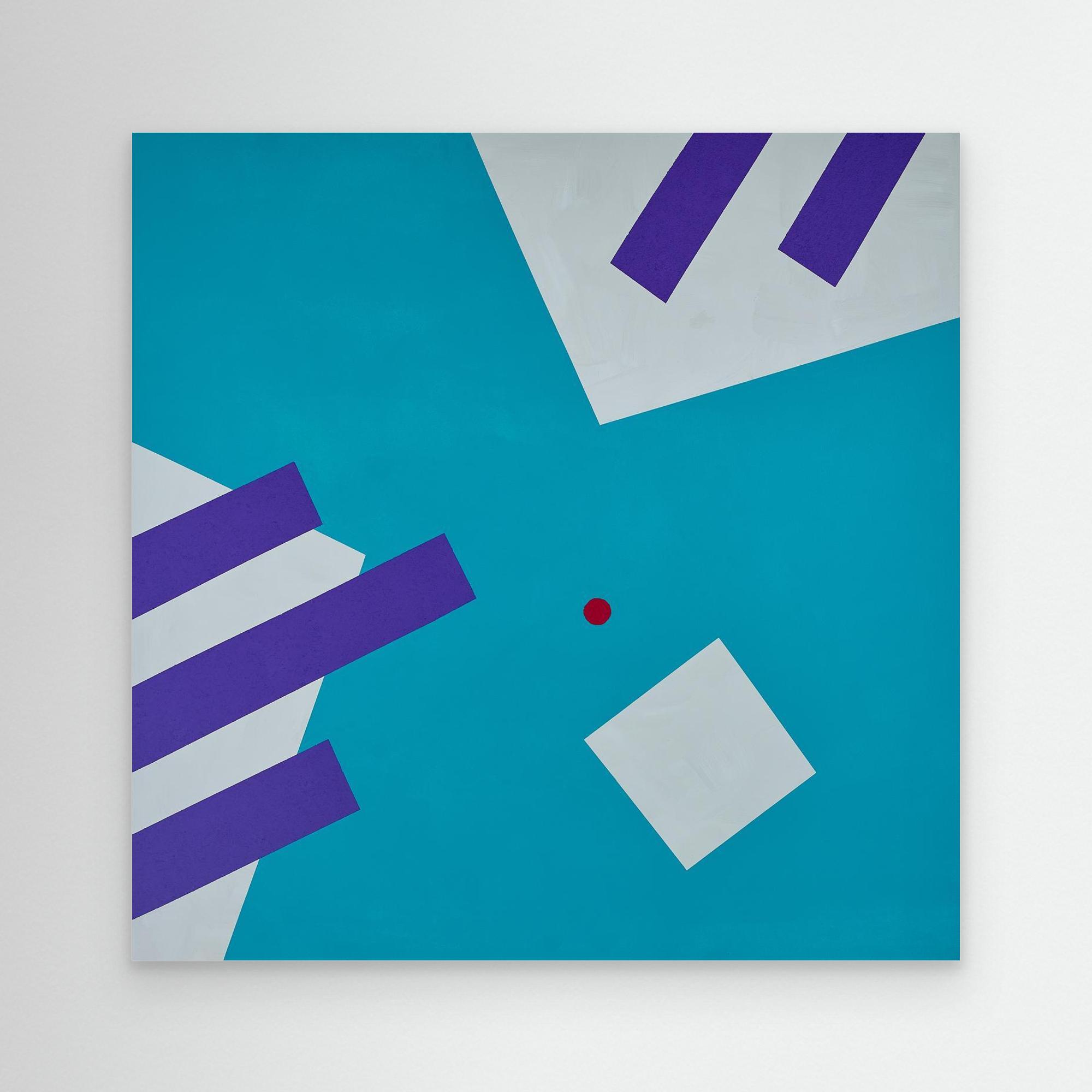
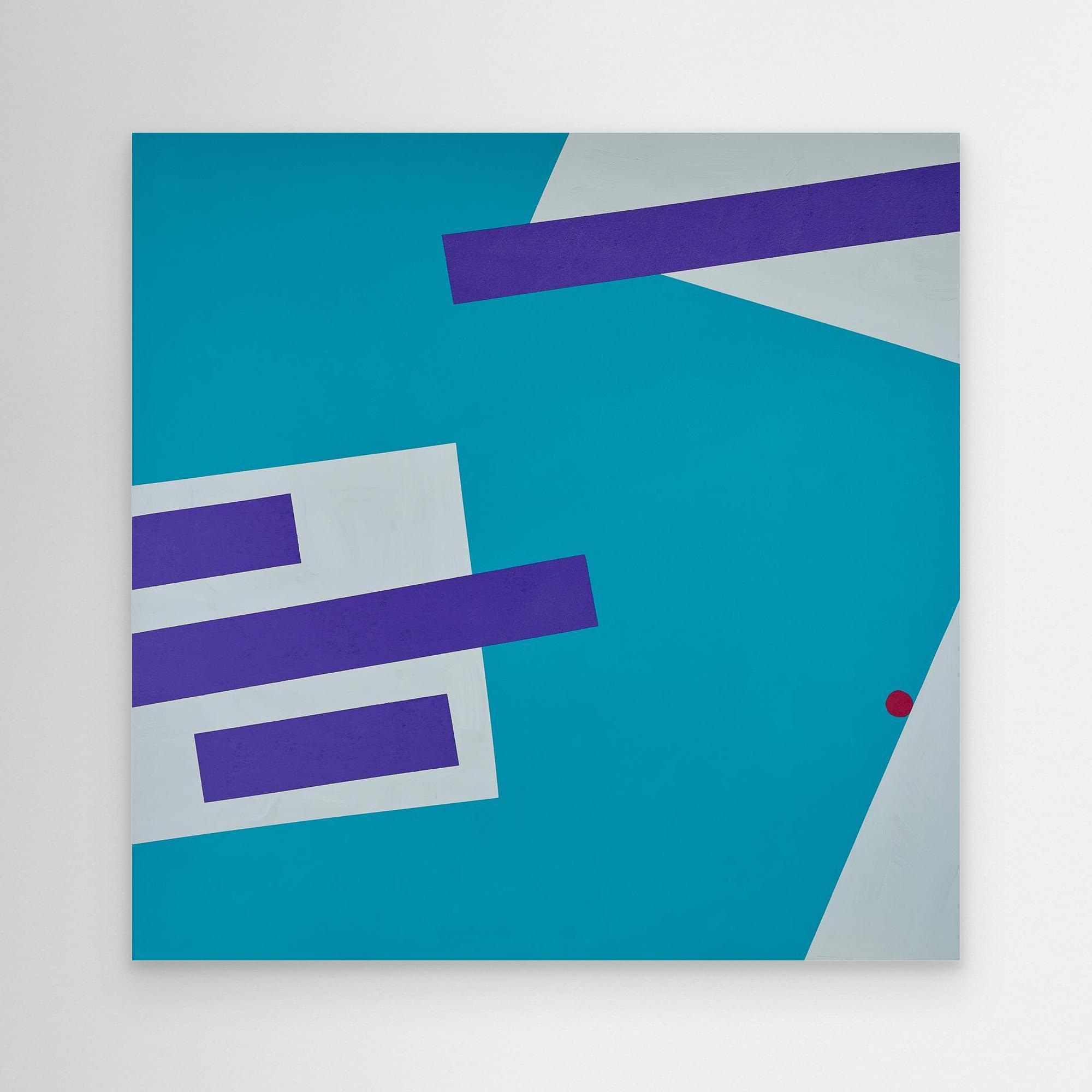
Bring a touch of bold, abstract expression into your space with Adra’s Gravity Triptych or individual pieces. Explore the collection below and find the artwork that speaks to you.
Gravity: Uplifting

Gravity: Pulling
Gravity: Propelling
#2 The Appeal of Canvas Prints
- Personal memories at scale: Transform wedding photographs, travel pictures, or children’s artwork into statement pieces.
- Design flexibility: Match interior colour palettes without the pressure of investing in a collectible. Framed prints can be customized with a wide range of frame colours, materials, and glazes to suit any style.
- Easy rotation: Swap home décor as seasons or tastes change without stress.
- Affordable beauty: Fill multiple walls without breaking your budget.
#3 Practical Scenarios
For example, imagine deciding between a canvas print and an genuine painting for your new home office: you might want the prestige and uniqueness of an original for your main wall, but opt for canvas prints in areas where durability and cost are bigger concerns.
For a living room where stories and conversation matter, a mix of carefully chosen originals and supporting prints creates visual interest with personal meaning. And the best part is that you’re not locked into one approach forever.
For rental apartments, offices, or high-traffic interiors, canvas wall art prints provide attractive visuals with less worry about damage or theft. The lower cost means you can take design risks you might avoid with expensive originals.
Consider your own relationship with artworks: Do you value uniqueness and artistic authorship for lasting impression? Or do you primarily use canvas wall art to complement furniture, fabric choices, and interior themes? There’s no wrong answer, only personal preference.
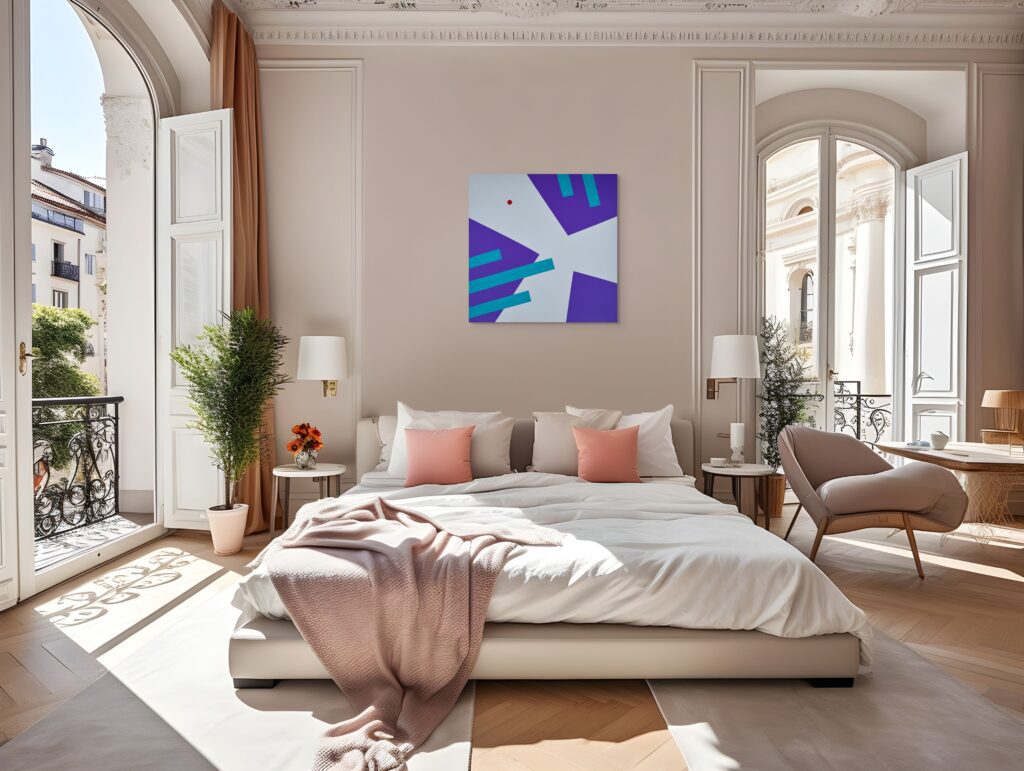
When to Choose a Canvas Print for Home Décor
Canvas wall art prints make sense in numerous situations. As one of the popular options for home décor, canvas prints and other types of wall art offer flexibility and style. Here’s when they’re the smarter choice:
#1 Ideal Situations for Fine Art Prints
- Decorating large walls above a sofa or bed on a limited budget.
- Furnishing offices, cafés, rental properties, or Airbnb spaces where durability matters.
- Creating cohesive interior design with matching colours across multiple rooms.
- High-traffic areas like hallways, kitchens, or children’s rooms where wear is expected.
Canvas wall art prints are often displayed without a frame, creating a modern and clean look.
#2 Creative Uses
- Transform personal pictures into large, impactful wall pieces.
- Display seasonal or temporary themes without permanent commitment.
- Explore your style preferences before investing in originals.
- Create custom art prints from digital artists or contemporary photography.
#3 Ordering Tips for Best Results
- Resolution matters: Choose high-resolution images (300 DPI at intended print size) to avoid pixelation.
- Stretcher bar depth: Opt for 38mm bars for a gallery look on statement pieces.
- Finish selection: Consider matte or satin finishes to reduce glare in bright rooms.
- Medium quality: Cotton canvas produces more exclusive texture than polyester.
Canvas prints represent the most accessible entry point for people starting to build a personal art collection or simply wanting stylish walls without the financial commitment of originals.
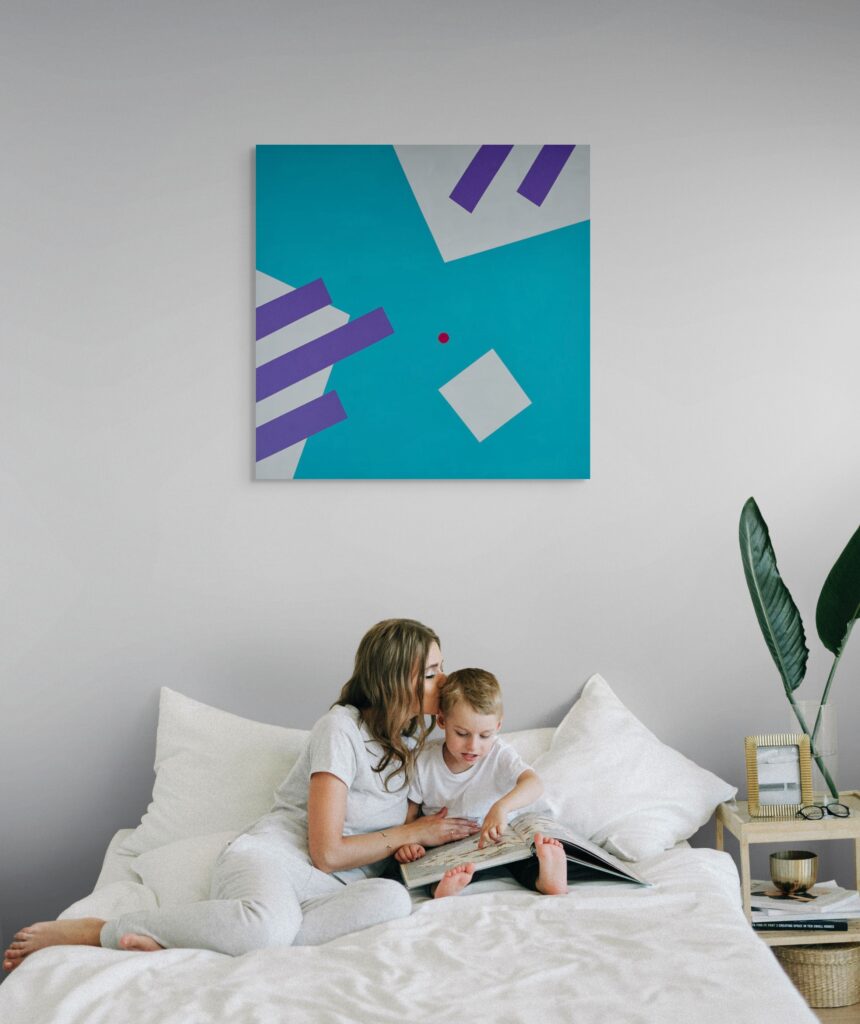
When to Invest in Originals for Home Décor
Original pieces are long-term, meaningful acquisitions rather than impulse décor purchases. As original art, they offer unique value through their one-of-a-kind nature, tactile brushstrokes, and authentic presence. They deserve thoughtful consideration. For those seeking alternatives, oil and acrylic prints enhance colours and depth, creating a captivating visual experience, while canvas prints offer a different aesthetic compared to original pieces.
#1 Key Reasons to Choose an Original
- Desire for a completely unique piece that no one else in the world has.
- Interest in collecting and possibly reselling in the future.
- Deep personal response to a specific artist’s style or story.
- Building an art collection with potential appreciation.
#2 Practical Buying Strategies
- Start accessible: Emerging or local artists often sell works for $200–$2,000.
- Explore discovery venues: Visit open studios, graduate shows, local galleries, and art fairs.
- Build relationships: Getting to know artists can lead to commission opportunities.
#3 Budgeting Considerations
Set a clear budget before shopping. Factor in professional framing if the work is on paper or unstretched canvas. Remember that emotional connection matters as much as potential financial gain, buy what you’ll still love looking at in ten years.
Even one or two carefully chosen originals can become focal points of your home, with canvas prints complementing them in secondary spaces.
🖼️ Canvas Prints vs. Originals Quiz
Test your understanding of of the differences between canvas prints and original artworks.
Question 1 of 3
Which characteristic is unique to originals compared to canvas prints?
What is a key advantage of high-quality canvas prints over originals?
Which factor most influences the value of an original piece?
Making the Right Canvas Wall Art Choice for Your Space
Choosing between canvas prints and one-of-a-kind paintings ultimately depends on your goals, budget, and the experience you want from your artworks. One-of-a-kind paintings offer uniqueness, texture, and long-term investment value, while high-quality canvas art prints, especially limited editions, provide a more accessible, versatile, and visually striking alternative. By understanding the differences, you can confidently select artwork that fits your space, complements your style, and creates the emotional connection you’re looking for.
Canvas or Original? What Speaks to You?
Transform Your Space with Uplifting Art
Browse my collection of mood-boosting geometric paintings.
FAQ - Frequently Asked Questions
In the professional art world, originals and hand-finished limited edition prints carry more status and value, while generic mass-produced canvas décor is primarily treated as decoration. That said, there’s no reason to feel guilty about choosing prints for budget or practicality reasons. What matters most is living with images that bring you joy and stand as beautiful additions to your space.
Archival pigment inks with UV-protective varnish can remain vibrant for 50–100 years under normal indoor conditions. Quality oil and acrylic paintings, properly varnished and kept away from harsh light, can last for many generations, though they may require professional cleaning over time.
Always check for “archival” or “museum-quality” claims on print products, and avoid hanging any artwork, print or original, in constant direct sunlight.
Exceptions do exist. Limited edition, signed prints by recognized artists, particularly those with small edition sizes and strong career trajectories, can command higher prices over time. However, they rarely reach the value of comparable originals by the same artist.
Treat prints as aesthetic purchases first. Consider investment potential only in rare, well-researched cases involving established artists with documented edition limitations.
While framing doesn’t protect canvas prints as much as glass protects paper, it can shield edges from damage and enhance perceived value. Match frame styles to your interior: natural wood for Scandinavian aesthetics, black or white for modern spaces, and ornate gold for traditional rooms.
If you’re new to collecting, start with prints as you develop your eye and learn which styles truly resonate with you. Gradually introduce originals as your budget and confidence grow. Let personal connection guide your choices rather than strict ratios or outside opinions, your home should reflect your life and taste, not an arbitrary formula.
