How Art Affects Mood and Wellbeing: Exploring the Healing Power of Colourful Artworks
Table of Content
Art is a simple, evidence-based tool for everyday emotional care. The following sections will show you exactly how art affects mood and wellbeing, how it works and how to use it. As a universal part of the human experience, art not only reflects and shapes our emotions but also plays a significant role in society by fostering connection and wellbeing.
This article focuses on the visual arts, especially contemporary abstract, geometric, and textured paintings, rather than music, dance, or performing arts. The goal is to explore how these specific forms can function as practical tools for emotional care in everyday life. It is addressing art collectors, buyers, interior designers, homeowners, wellness enthusiasts, and anyone interested in the therapeutic and healing power of art, offering insights on how visual works can shape interior ambience, and support mental health conditions.
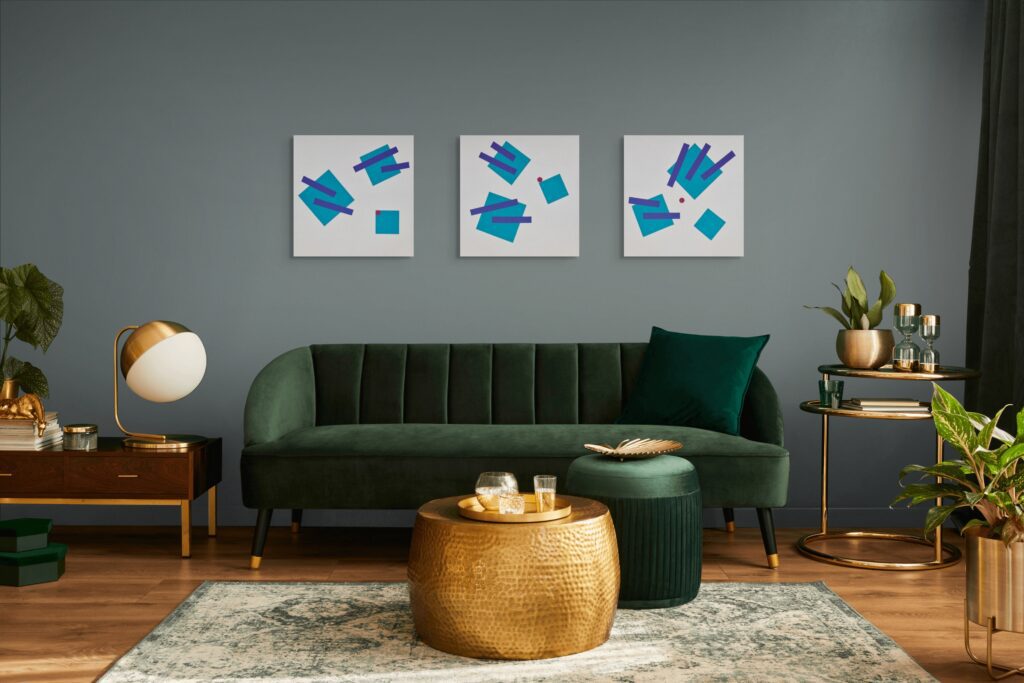
The Neuroscience of Art Perception
Art doesn’t just decorate. It actively engages your brain. When you view visual art, multiple neural systems light up simultaneously, processing colour, shape, memory, emotion, and meaning in real time. Neuroscience shows that art perception is not passive. Your brain is constantly interpreting what it sees and connecting it to past experiences and emotional states. This is why a single image can calm you, energize you, or even shift your mindset within seconds. Encountering powerful art pieces can also spark inspiration by engaging emotional and cognitive brain systems, fostering creative and introspective states. Understanding how the brain responds to art helps explain why posters, paintings and other art pieces can be such powerful tools for mental health.
Neuroaesthetics is the science of what happens in our brain and body when we look at or create art. It is the study of how art enhances neural function and impacts emotions and the nervous system. The field gained serious traction after about 2004, and researchers have since documented consistent patterns in how art affects our neural pathways and physical health. The rise to aesthetic experiences give the ‘aesthetic triad’. It refers to the interaction of sensory-motor, emotion-valuation, and knowledge-meaning systems.
#1 How Your Brain and Body Processes Art
When your eyes encounter a piece of art, visual information first travels to the primary visual cortex ((V1/Striate Cortex) at the back of the brain. From there, different regions analyze specific elements like colour, movement, depth, and facial expressions. Almost instantly, human mind begin attaching meaning, asking questions like “Is this familiar?” or “How does this make me feel?”
This process happens faster than conscious thought. If the image aligns with positive themes such as harmony, growth, or self-belief, it can trigger emotional responses before you even realize it. Visual arts work especially well because they combine imagery with symbolic meaning, allowing your mind to process encouragement and intention both visually and emotionally at the same time.
When you view a visually pleasing artwork, say, a balanced geometric composition in blues and greens, specific brain regions light up. Studies at University College London in the early 2010s found that viewing paintings people found beautiful increased blood flow to the medial orbitofrontal cortex (mOFC), a region associated with pleasure and reward. Separately, studies has shown that the medial right prefrontal cortex (PFC) activates strongly when people view positive imagery, suggesting art engages systems involved in emotional evaluation and regulation.
The physical responses are equally measurable. Studies have documented reductions in cortisol (the stress hormone), lower blood pressure, slower heart rate, and shifts in brain wave patterns toward states associated with relaxation and focused attention. These aren’t subtle effects, they represent real, measurable changes in physical health markers.
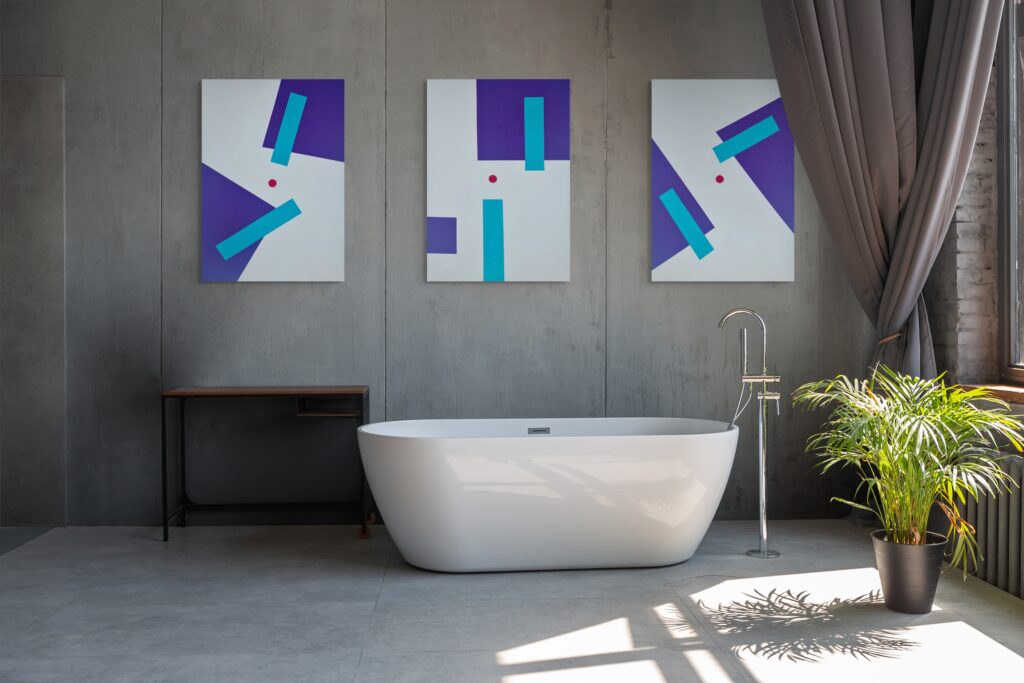
If you’re feeling inspired to bring more calm and balance into your space, the “Balance Triptych” by artist Adra is a beautiful start. Designed to create a sense of harmony through form, colour, and intention. Whether you’re refreshing a room or intentionally shaping your emotional environment, the “Balance Triptych” offers a quiet, grounding presence that grows more meaningful over time.
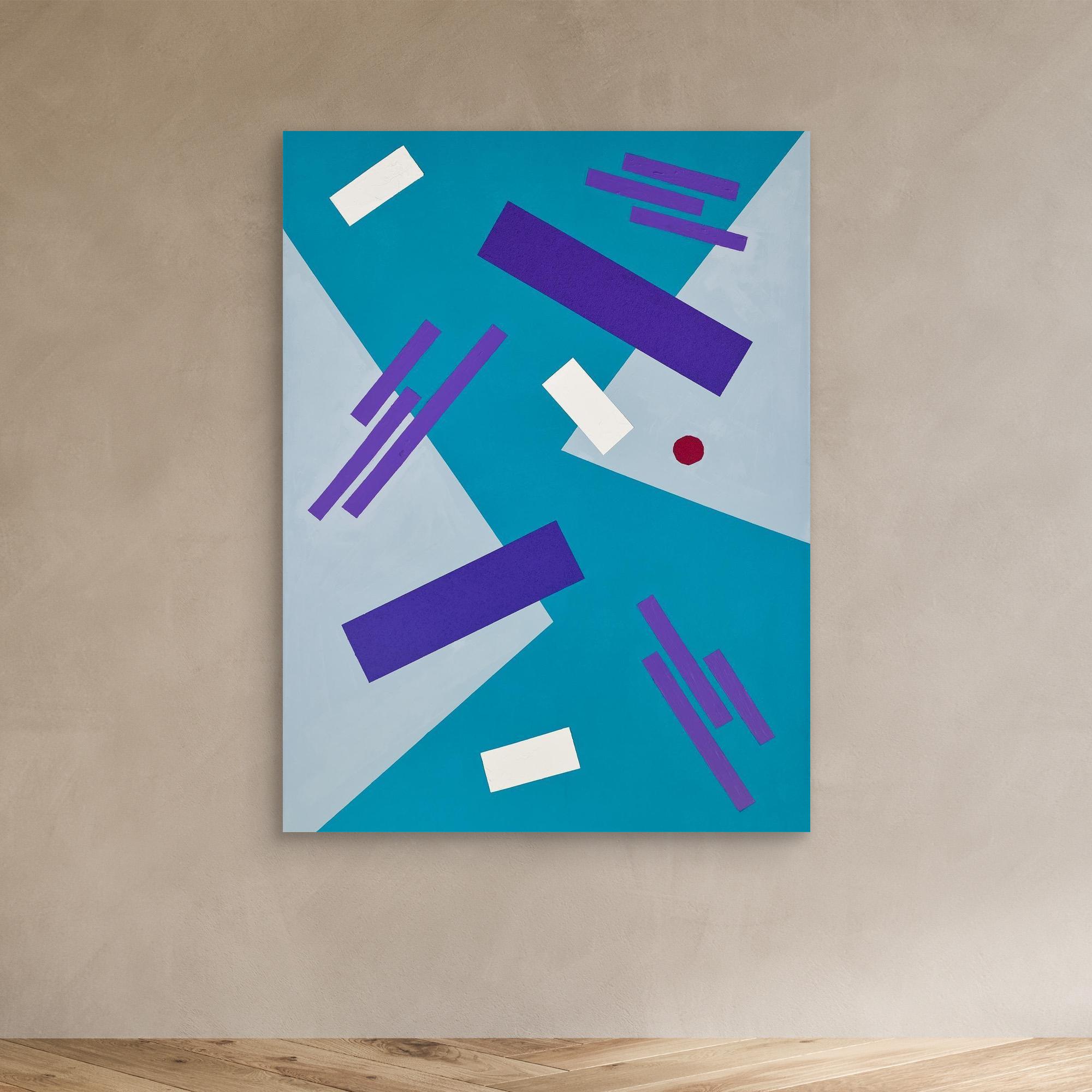
Balance: Momentum
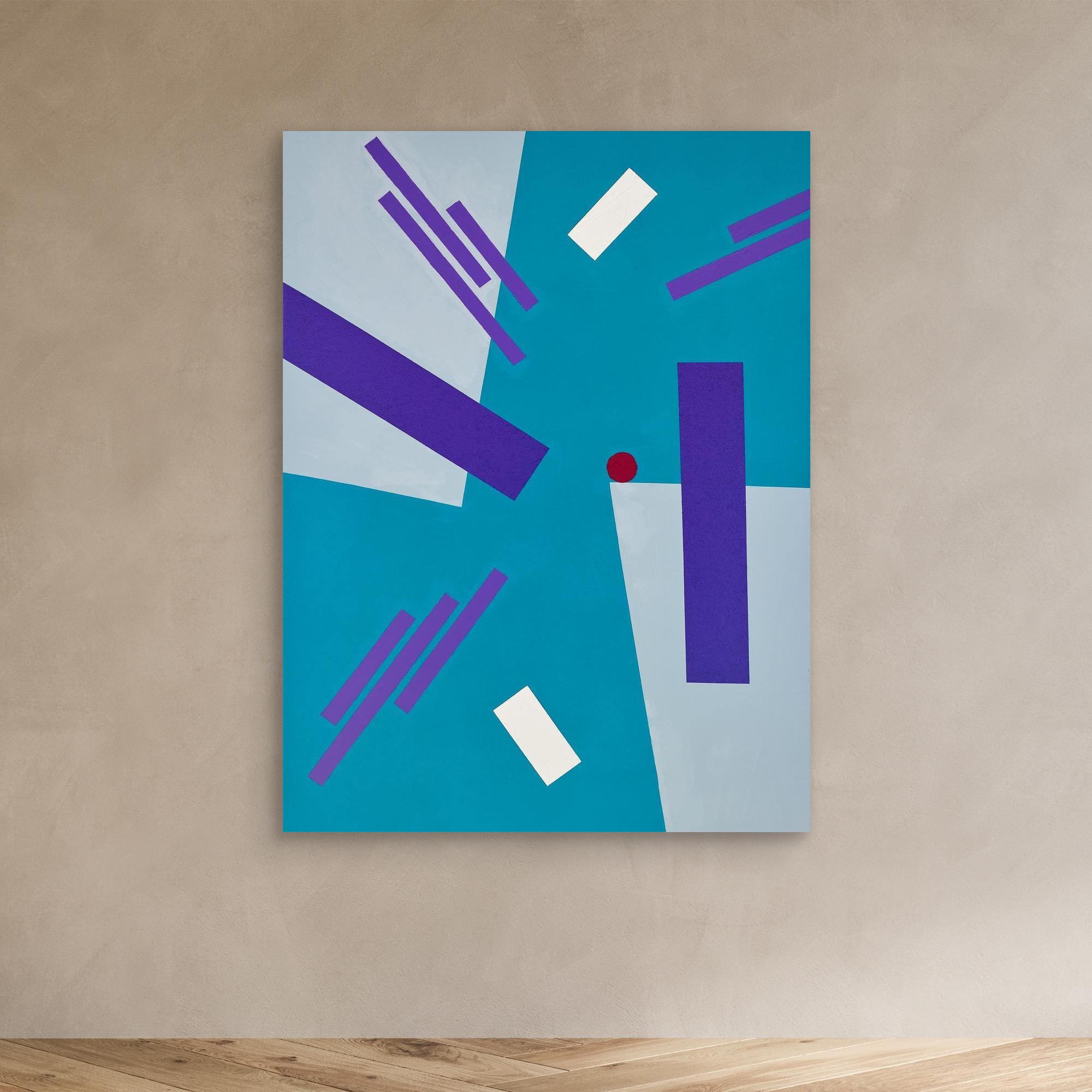
Balance: Curiosity
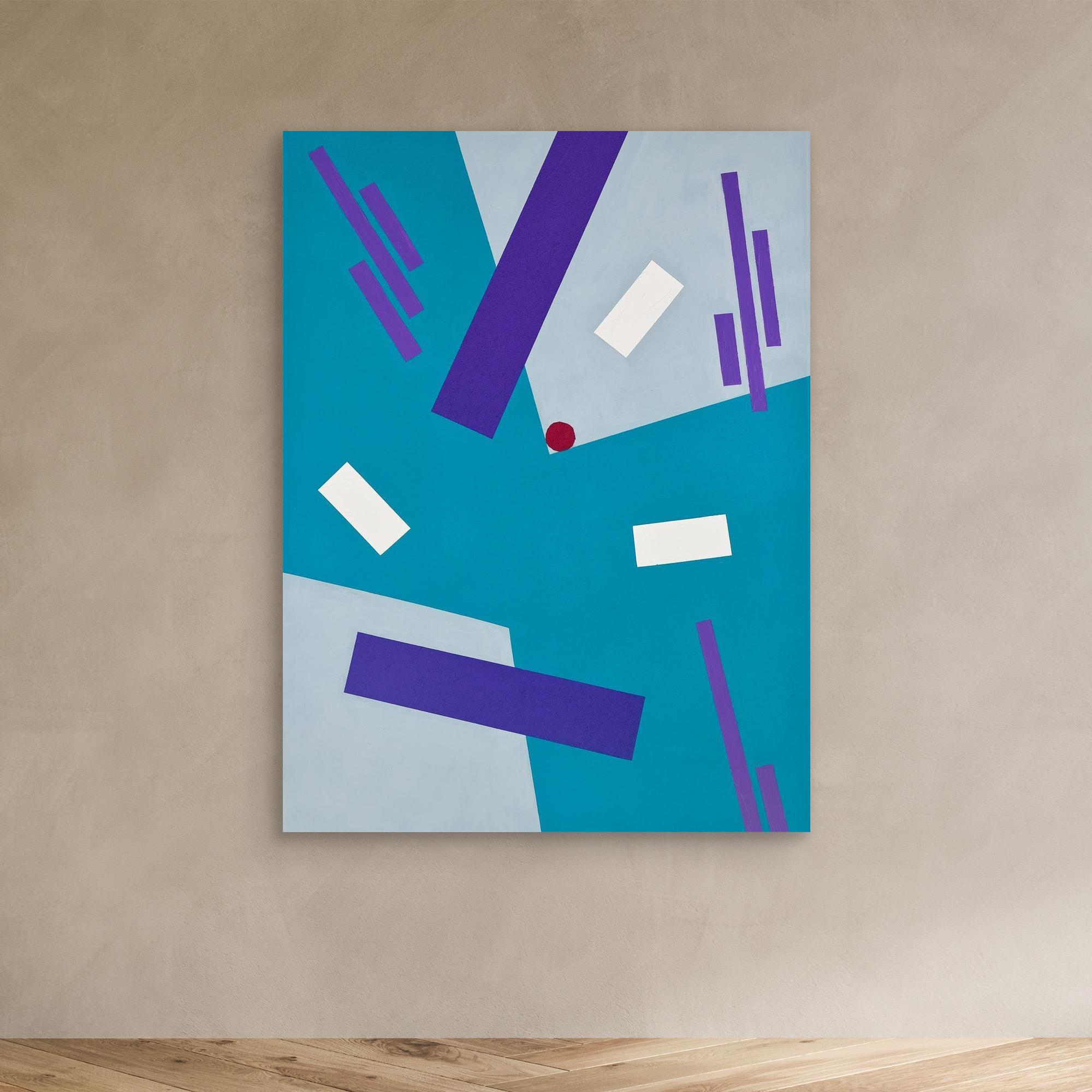
Balance: Comfort
#2 Dopamine, Serotonin, and Art Viewing
Viewing art can directly influence the brain’s chemistry. Research has shown that aesthetically pleasing or emotionally resonant images can stimulate the release of dopamine, a neurotransmitter associated with pleasure, motivation, and reward. This dopamine response helps explain why looking at art can feel uplifting or inspiring.
Art also plays a role in regulating serotonin, which contributes to mood stability and emotional balance. Making art can increase serotonin levels, supporting emotional balance and helping to maintain mental health. Calming visuals, such as soft colours, nature imagery, or affirmations focused on safety and self-worth, can promote relaxation and reduce stress. Over time, repeated exposure to positive visual triggers may reinforce healthier emotional patterns, subtly training us to associate certain images with feelings of calm, confidence, or optimism.
#3 The Default Mode Network and Creativity
One of the most fascinating brain systems involved in art perception is the Default Mode Network (DMN). This network becomes active when the mind is relaxed, reflective, or daydreaming, states closely linked to creativity and self-awareness. When you engage with meaningful art, especially contemplative or symbolic imagery, the DMN activates, encouraging introspection and emotional processing.
Art pieces tap into this system by gently guiding internal dialogue. Instead of forcing rational thought, they allow ideas and emotions to surface naturally. Engaging with art can also help individuals become more present and mindful, facilitating deeper emotional connections and stress reduction. This makes art feel less internal truths and starts to work as art therapy, helping shift self-perception and mental health on a deeper level. In this way, art doesn’t just influence how you feel, it can reshape how you think about yourself.
Scientific Studies on Art and Wellbeing
Research shows that arts engagement has measurable effects on mental and emotional health, supported by a growing body of scientific evidence. Across healthcare settings, workplaces, and home environments, studies consistently show that exposure to thoughtfully chosen art can reduce stress, improve mental health, and enhance overall wellness. These findings reinforce the idea that art is not merely decorative. It functions as an environmental influence that subtly shapes how the mind and body respond to daily life.
Participation in art therapy and creative activities has been linked to improved mental health, pain relief, trauma healing, cognitive resilience, and greater social bonding. In the health service, creative, non-medical approaches like art therapy are increasingly recognized for their potential to enhance inner wellness and independence. Research in healthcare settings demonstrates that integrating arts and artistic activities into patient care supports holistic wellness and improves the patient experience.
Creative arts therapy is used in treatment for a variety of conditions, including mental health, cancer, stroke, and more. Specifically, it helps treat mental health conditions such as anxiety, depression, mood disorders, schizophrenia, and dementia. Dr. Daisy Fancourt, a leading researcher and leader of the MARCH Network funded by UK Research and Innovation, has advanced understanding in this field. The U.S. National Institute of Health (NIH) also supports these findings, highlighting the health benefits of engaging in artistic activities for stress reduction, mental health, and supporting healing power.
Regular arts engagement is linked to a lower risk of cognitive decline and can sharpen memory and problem-solving skills.
#1 Hospital Art Studies on Healing Power and Patient Recovery
Research conducted in hospitals has demonstrated that patients exposed to calming visual art often experience better recovery outcomes. Studies have found that images depicting nature, soft colour palettes, or positive themes can reduce anxiety, lower blood pressure, and even decrease the perception of pain. In some cases, patients in rooms with artwork required fewer pain medications and reported higher levels of emotional comfort. These findings suggest that visual stimuli can support the body’s natural healing processes by promoting relaxation and emotional stability during recovery.
#2 Workplace Art and Productivity Research
Art also plays a significant role in professional environments. Studies examining office design have shown that workplaces incorporating visual art report higher employee satisfaction, creativity, and productivity. Exposure to inspiring imagery can improve focus while reducing mental fatigue, helping employees stay engaged for longer periods. Art that includes motivational themes, or focus-boosting colours may further enhance performance by reinforcing confidence, creative approach and goal-oriented thinking, making the workplace not only more visually appealing but also psychologically supportive.
#3 Home Environment and Mental Health
The visual environment of the home has a powerful influence on mental health, as it is where the brain seeks rest and emotional regulation. Personalized art, especially imagery that evokes positive emotions or meaningful memories, can reduce stress and increase feelings of comfort and safety. Visual affirmations in a form of paintings and posters placed in living rooms can act as daily emotional cues, gently reinforcing self-worth, calmness, or optimism. Over time, these visual signals contribute to a more emotionally balanced and supportive home atmosphere.
Colour Psychology in Art
Colour is one of the most immediate ways art affects feelings. The brain responds to colour before it interprets shapes or meaning, making colour psychology a key component in emotional reactions to visual art. Different hues activate different neurological and physiological responses, influencing everything from heart rate to emotional perception. When used intentionally, colour becomes a powerful tool for shaping emotional state and reinforcing positive mental health.
#1 Blue: The Calming Science
Blue is widely associated with calmness, stability, and clarity, and science supports this connection. Studies have shown that blue tones can lower heart rate and reduce stress by signaling safety and tranquility to the brain. This is why blue is often used in healthcare settings and meditation rooms. In art, blue imagery can help quiet mental noise, promote emotional balance, and encourage a sense of inner peace.
#2 Warm Colours and Energy Activation
Warm colours such as red, orange, and yellow are linked to increased energy and alertness. These hues stimulate the nervous system and can elevate feelings by increasing feelings of enthusiasm and motivation. While overuse of intense warm colours may cause overstimulation, balanced applications, especially in uplifting art, can spark creativity and confidence. Artworks using warm tones are particularly effective for encouraging action, optimism, and emotional warmth.
#3 Green and Nature’s Restorative Effects
Green occupies a unique spot in colour psychology due to its strong association with nature. Research has shown that exposure to green and natural imagery can reduce mental fatigue and restore cognitive focus. The brain perceives green as a signal of balance, growth, and safety. Art featuring green landscapes or nature-based colours can promote emotional renewal, making it especially effective for stress relief and long-term mental wellbeing.
Geometric Art and the Mind Creative Activities
Geometric art engages the brain in a uniquely structured way. Unlike figurative imagery, geometric forms rely on repetition, balance, and mathematical relationships that the brain naturally seeks to understand. This interaction activates areas responsible for pattern recognition and spatial reasoning, creating a sense of order and mental clarity. For many viewers, geometric art offers psychological comfort by reducing visual chaos and providing a predictable, calming structure.
Engaging in artistic expression and making art, such as drawing, painting, dancing, or knitting, can provide psychological comfort and support mental clarity. The repetitive motions involved in these activities can be meditative and calming to the nervous system. Importantly, the success of art therapy is measured by the healing that occurs during the process of making art and human experience, not by the quality of the finished product.
#1 Pattern Recognition and Brain Satisfaction
The human brain is wired to identify patterns. It’s a survival mechanism that helps us make sense of the world. When we encounter repeating shapes or consistent visual rhythms, the brain experiences a sense of satisfaction and reward. Geometric art leverages this tendency by offering clear, organized patterns that are easy to process. This can reduce cognitive load, helping the mind feel grounded and focused. Artworks embedded within geometric patterns and designs may enhance this effect by pairing mental order with positive messaging.
#2 Symmetry and Psychological Balance
Symmetry plays a significant role in how the brain perceives harmony. Research in psychology suggests that symmetrical forms are processed more fluently, meaning the brain requires less effort to interpret them. This ease of processing is often associated with feelings of calm, balance, and stability. In art, symmetry can evoke a sense of emotional equilibrium, making it particularly effective for environments meant to promote relaxation, clarity, or mindfulness.
#3 Textures and Sensory Involvement
Texture in geometric paintings adds another dimension. Impasto paint, layered surfaces, and mixed-media textures provide rich visual information that engages sensory-motor systems in the brain. Even when you’re only looking, not touching. This sensory involvement supports a grounded, embodied calm that can directly impact how you feel in your body, not just your mind.
#4 Abstract vs. Representational Impact
Abstract and representational art affect the mind in different ways. Representational art, such as landscapes or portraits, engages memory and recognition, often evoking specific emotions or associations. Abstract art, on the other hand, allows the brain more interpretive freedom, activating imagination and emotional exploration. Abstract pieces can feel more personal, as viewers project their own meanings onto the imagery, while representational art provides clearer emotional cues. Both approaches can support inner wellness, depending on individual cognitive and emotional preferences.
Choosing Mood-Boosting Art for Your Room
Selecting art for emotional wellness begins with intention. Rather than choosing pieces solely based on trends or aesthetics, mood-boosting art is chosen for how it makes you feel over time. Engaging with art can enhance self-esteem and foster a sense of community, as participating in art classes and community projects helps build social connections and combat loneliness. The right artwork can subtly guide emotional states, helping regulate stress, focus, or motivation throughout the day. Creating and viewing art can also provide a sense of connection to a greater world and enhance community involvement. Understanding your emotional goals allows art to become an active part of your mental wellness strategy.
#1 Assessing Your Emotional Needs
Before selecting art, it’s helpful to reflect on what emotional support you need most. Are you seeking calm, confidence, creativity, or emotional grounding? Stressful periods may call for soothing imagery and muted colours, while times of growth or change may benefit from energizing visuals. Artworks become most effective when they align with current emotional needs, reinforcing positive mental states rather than conflicting with them.
#2 Personal vs. Universal Preferences
While some visual responses are biologically universal, such as calming reactions to nature, art remains deeply personal. Culture plays a significant role in shaping aesthetic preferences and emotional responses to art, as cultural background influences how individuals interpret and connect with different artistic expressions. Along with personal memories and individual experiences, culture helps determine which imagery resonates emotionally. Mood-boosting art works best when it balances universal psychological principles with personal and cultural resonance. A piece that feels meaningful to you will engage the brain more deeply than one chosen solely for its scientific backing.
#3 Room-by-Room Art Psychology
Different spaces serve different psychological functions, and art choices should reflect this. Bedrooms benefit from calming visuals that promote rest and emotional safety, while home offices thrive on motivating or focus-enhancing art. Living areas can support connection and warmth through balanced colours and inclusive imagery. By aligning art with the purpose of each room, you create environments that naturally support the brain’s shifting needs throughout the day.
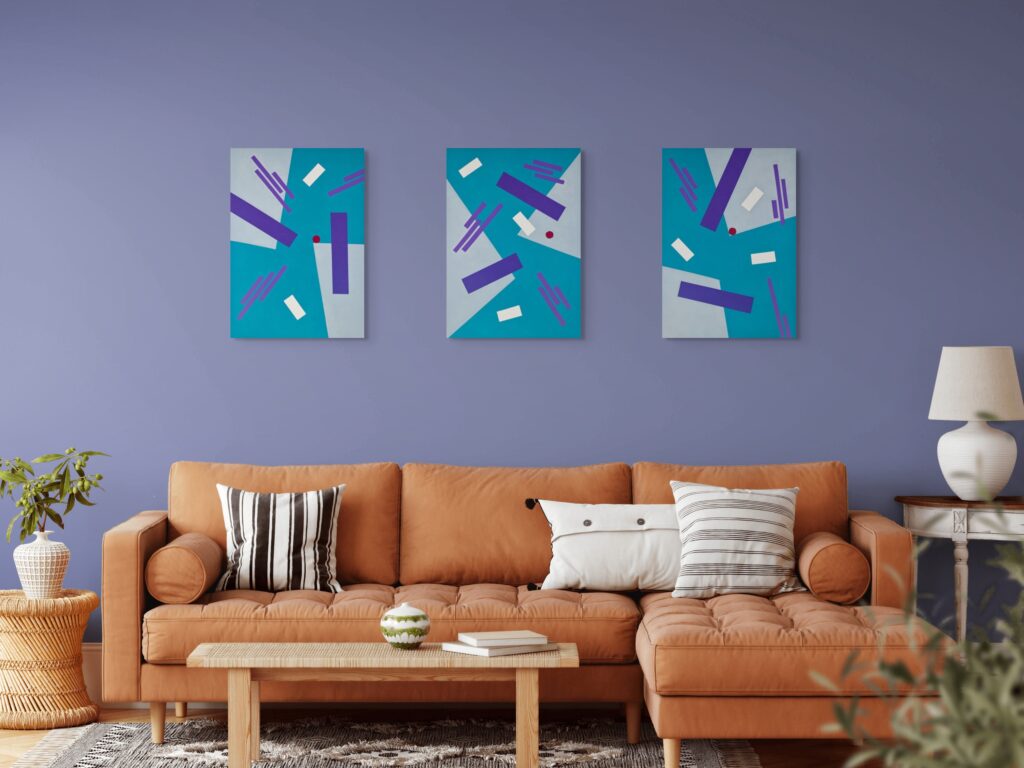
Choosing the Right Art for Your Interior Ambience
Selecting contemporary abstract, geometric, and textured artworks for specific emotional goals requires some intention. Different spaces call for different qualities.
#1 For Calming Spaces (Bedroom, Reading Nook)
Choose soft, desaturated palettes: blues, greens, neutrals, gentle gradients. Horizontal bands and minimal geometric rhythms create stability. Matte finishes and subtle textures often read as more soothing than high-gloss surfaces. A pale blue-grey abstract with quiet horizontal divisions can help signal to your nervous system that this space is for rest and recovery.
#2 For Energizing or Creative Spaces (Living Room, Studio)
Consider bolder colours: corals, reds, yellows. Dynamic diagonals, layered grids, and contrasting shapes stimulate energy and creative thinking. Visible brushwork and mixed media texture add vitality and movement. These pieces wake you up rather than calm you down. Choose this instead of muted works when you need the space to feel alive.
#3 For Focus and Productivity (Home Office)
Select clean geometric compositions with limited colour palettes, like black and white with one accent colour works well. Medium-scale works that are interesting but not overwhelming support concentration without distraction. The goal is visual interest that doesn’t compete with your mental focus.
#4 Basic Placement Tips and Further Information
Hang larger works at eye level for comfortable viewing. Ensure adequate distance, you should be able to take in the full composition without craning. Avoid cluttering walls with too many competing pieces. One strong artwork often accomplishes more than several modest ones fighting for attention. Consistent framing or edge treatments create visual coherence across a collection.
Art, Culture, Creative Connection, and Community Life
Engaging in arts programs and social activities, such as museum visits or group art classes, can help people rebuild social connections and alleviate loneliness and isolation. Visits to museums and performing arts centers are often social activities that can help combat loneliness, as they encourage social interactions and community participation. Social prescribing, which connects individuals with arts-based activities like museum visits or dance programs, has been shown to improve wellbeing by fostering social involvement and mental health benefits.
Artists play a vital role in fostering social and cultural connections. Their work and personal stories can serve as powerful tools for individual growth, community engagement, and cross-cultural understanding. Social interactions around art, whether through group discussions, collaborative projects, or shared experiences, promote social connectedness and enhance overall wellbeing.
🖼️ How Art Affects Your Mood Quiz
Test your understanding of how art influences mood and wellbeing
Question 1 of 3
Which brain chemical is most closely linked to pleasure and motivation when viewing art?
What type of imagery has been shown to reduce stress and support emotional recovery most consistently?
Why are symmetrical and patterned artworks often perceived as calming?
Creating Your Personal Visual Wellness Environment
A visual wellness environment is built through thoughtful layering rather than instant transformation. By combining art, colour, and placement intentionally, you create a space that continuously supports physical and mental health. Over time, these visual cues help reinforce positive habits, emotional resilience, and self-awareness.
#1 Combining Colours for Maximum Impact
Colour combinations influence emotions more powerfully than single hues alone. Pairing calming colours with subtle warm accents can create balance like relaxation without stagnation, energy without overwhelm. For example, blues and greens paired with soft neutrals are beneficial for calm focus, while warm tones balanced with earth colours encourage motivation and emotional grounding. Colourful paintings become especially effective for mental and physical health when colour harmony supports their message.
#2 Size, Placement, and Psychological Effect
The size and placement of wellbeing art directly affect how the brain responds to it. Larger pieces command attention and can set the emotional tone of a room, while smaller works function as gentle reminders rather than focal points. Art placed at eye level is processed more easily, increasing emotional engagement. Strategically placing wellbeing art where they are seen during daily routines reinforces their impact without conscious effort.
#3 Building an Art Collection for Wellbeing
Building an art collection for wellbeing is an evolving process. Rather than acquiring many pieces at once, gradually curate works that consistently evoke positive physical and mental health impact. Over time, this collection becomes a visual narrative of personal growth and emotional intention. By choosing art that supports balance, and self-connection, your environment transforms into an active participant in your mental and emotional wellbeing.
Conclusion: Turning Art into a Tool for Emotional Wellbeing
Art is more than something we look at. It’s something we experience with our entire nervous system. From colour and geometry to symbolism and personal meaning, visual art continuously shapes how we feel, think, and regulate emotion. Scientific research confirms what many intuitively sense: the images we surround ourselves with influence emotional state, creativity, and mental health. When chosen intentionally, art becomes a form of visual affirmation, quietly reinforcing calm, confidence, and emotional resilience in everyday life. By curating spaces that support your emotional needs, you transform your environment into an active partner in wellbeing.
Are You Ready to Let Art Support Your Wellbeing?
Transform Your Space with Uplifting Art
Browse my collection of mood-boosting geometric paintings.
FAQ - Frequently Asked Questions
Pay attention to simple signals: Do your shoulders relax? Does your breathing slow? Do certain colors or shapes feel comforting or energizing? With abstract and geometric works, personal associations create the meaning, and that’s enough to support your mood.
Start small: try a one- or two-minute “art pause” during a coffee break and gradually increase as it feels natural. Regular, brief interactions matter more than rare, long sessions. Experiment and see what duration feels most restorative for you personally.
Originals offer richer textures and a stronger sense of presence, while high-quality prints can be just as effective for boosting mood. Choose pieces that you genuinely enjoy seeing each day and that fit your budget. A mix of one or two originals with thoughtful prints works well for many homes.
If you’re struggling significantly, always consult a qualified healthcare provider.
Consider compact arrangements: a vertical column of small pieces by your desk, a mini-gallery above a nightstand, or a single geometric work on a shelf at eye level. Consistent engagement matters more than scale.
