Textured Geometric Paintings: A Modern Art Trend That Adds Depth and Style
Table of Content
Introduction to Textured Geometric Paintings
Textured geometric paintings are a contemporary art trend that combines structured shapes with tactile surfaces. These artworks have gained widespread appeal across the globe, resonating with diverse audiences and art lovers alike. This guide is aimed at art collectors, homeowners and interior designers who wish to acquire textured geometric paintings, and discover how they can influence modern spaces.
What Are Textured Geometric Paintings?
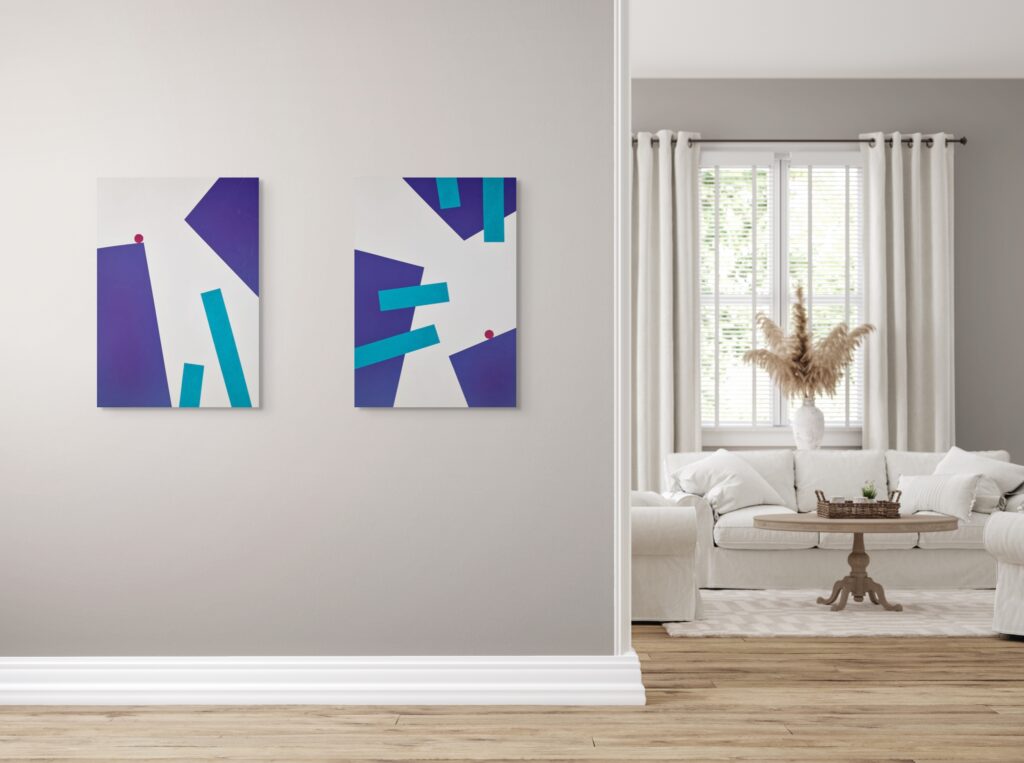
Textured geometric paintings are artworks that combine defined geometric forms, such as lines, angles, circles, and patterns with raised or layered surfaces. These textured elements enhance visual interest, developing a sense of depth and dimension. Their versatility makes them ideal for modern homes, galleries, and commercial interiors.
Texture in art involves altering surfaces and adding dimensional shapes to craft a visible design. In geometric painting, this means using raised surfaces and dimensional techniques to emphasise geometric forms. Artists employ texture to add contrast, movement, and depth, transforming simple shapes into dynamic compositions that interact with light and space. A key element in achieving these effects is texture paste, made from specific ingredients to create the desired surface quality.
Only textured original paintings a give us a chance to see the 3D dimension of choosen texture. What is more they bring personality, artistic expression, and a sense of authenticity to any space, making them a valuable and meaningful addition. Unlike mass-produced prints, original hand-painted geometric works offer a unique human touch, visible textures and authenticity that cannot be replicated.
#1 Definition and Key Characteristics
Textured geometric paintings are defined by their use of raised surfaces, layered materials, and dimensional techniques to enhance shapes such as lines, squares, circles, and patterns. Artists often combine texture paste with acrylic medium to improve adhesion, flexibility, and finish.
#2 How Texture Enhances Geometric Art
Texture introduces shadow, contrast, and physical presence, making geometric compositions feel more deep. The 3D visual information bring to art subject the dimension and sculptural effect. By engaging the eye and the sense of touch, textured paintings develop a richer, more engaging experience than flat imagery alone.
The History and Evolution of Textured Geometric Wall Art
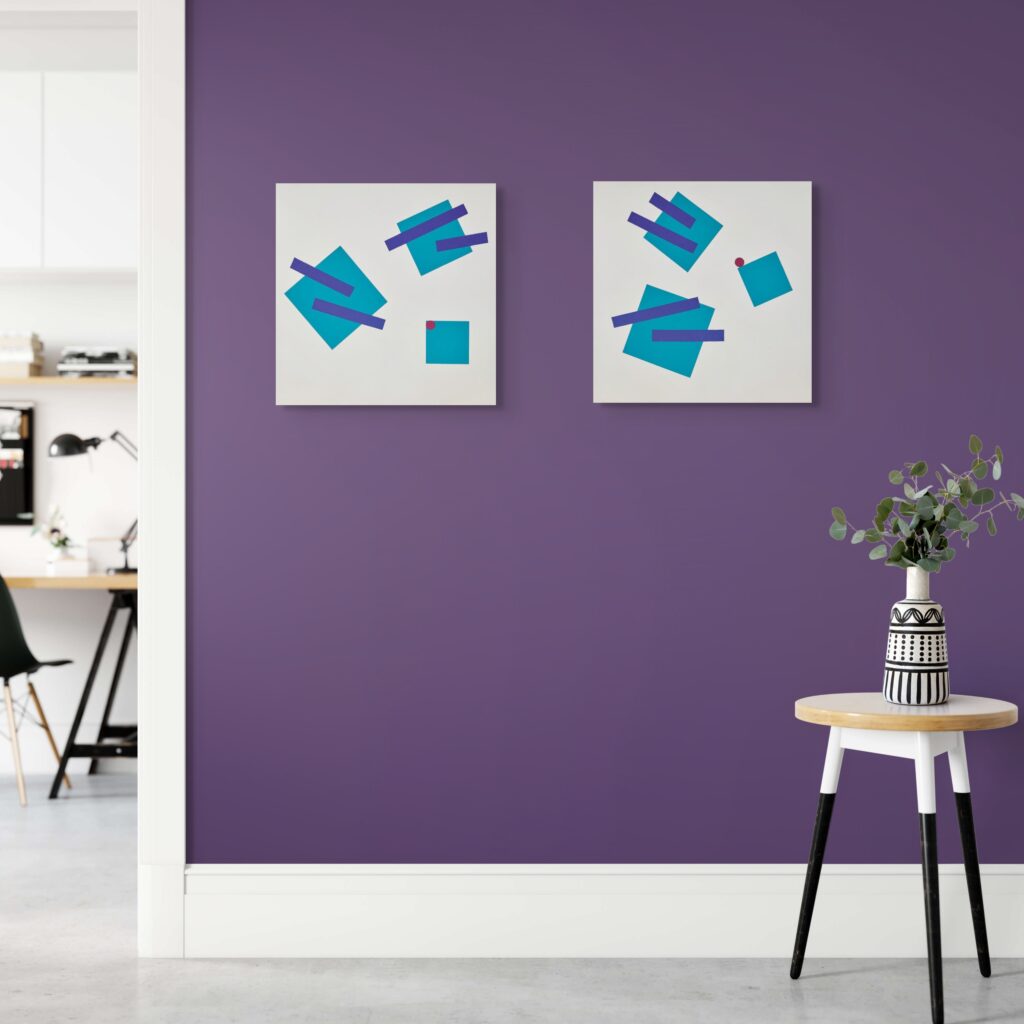
Geometric art has its roots in early abstract movements that emphasised order, balance, and form. Over time, artists began experimenting with materials and techniques that introduced texture into these structured compositions. This evolution allowed geometric art to become more expressive and tactile, giving rise to the contemporary textured geometric paintings seen today.
Key movements that influenced textured geometric art include De Stijl, Suprematism, Constructivism, Bauhaus, and Minimalism.
#1 Early Geometric Abstraction
Geometric abstraction in interior design has evolved from early 20th-century movements like the Bauhaus, focusing on form, symmetry, and balance. Movements such as the Bauhaus explored how geometric shapes could define space, while Kazimir Malevich founded Suprematism, emphasizing simple geometric forms and dynamics between them. De Stijl, also known as Neoplasticism, a geometric movement founded in 1917 by artists including Piet Mondrian and Theo van Doesburg in the Netherlands.
#2 The Rise of Texture in Modern Art
As artists experimented with mixed media, texture became a way to break the flatness of traditional geometric painting. Constructivist artists such as Vladimir Tatlin and El Lissitzky introduced material texture into geometric compositions. Later, Frank Stella’s Black Paintings highlighted the physical reality of the canvas through thick layers of paint, emphasising the artwork as an object rather than just an image. The Stijl reduced art to horizontal and vertical lines and a palette of primary colours with black, white and grey, aiming to express harmony and universal order through pure abstraction.
#3 Contemporary Interpretations
Today, textured geometric paintings blend minimalism, abstraction, and sculptural elements. Contemporary artists create tactile works that invite interaction and blur the boundary between painting and sculpture, making the art both visually and physically engaging.
Popular Styles of Textured Geometric Paintings
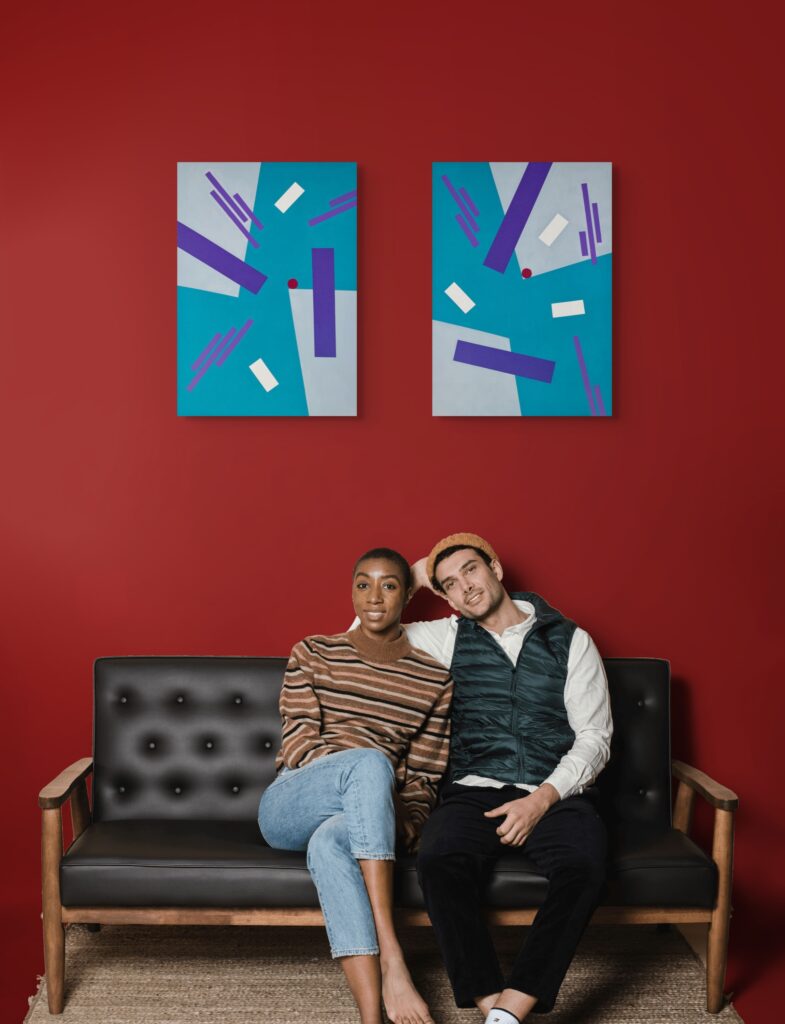
Textured geometric paintings come in a wide variety of styles, each offering a distinctive visual experience. From bold abstract designs to subtle minimalist reliefs, these styles allow artists and collectors to explore texture in diverse and creative ways.
#1 Abstract Geometric Texture Works
Abstract textured geometric paintings focus on expressive shapes and layered surfaces. The texture is often dramatic, adding depth and movement that contrasts with the precision of the geometric forms.
#2 Minimalist Geometric Relief
This style emphasises simplicity and suggest balance, often using neutral tones or bold, contrasting colours in grid-like patterns. The texture is subtle and controlled, allowing light and shadow to highlight clean lines and enhance the overall composition.
#3 Contemporary Mixed-Media Geometry
Contemporary mixed-media geometric paintings combine structured forms with a variety of materials, such as plaster, fabric, sand, or recycled elements. This approach creates a modern, experimental take on textured geometric art, offering both visual and tactile interest.
Materials Used in Textured Geometric Paintings
Artists employ a wide range of materials to create texture in geometric paintings. Acrylic paint, modelling paste, gesso, and plaster are commonly layered to build raised surfaces, while some artists incorporate unconventional elements to achieve distinctive textures and visual effects.
#1 Common Paints and Mediums
Acrylic paints, modelling paste, and gesso are frequently used to construct depth and dimension, providing a reliable foundation for textured compositions.
#2 Alternative and Sustainable Materials
Increasingly, artists are exploring recycled materials and natural elements. These not only produce unique textures but also support environmentally conscious practices in contemporary art.
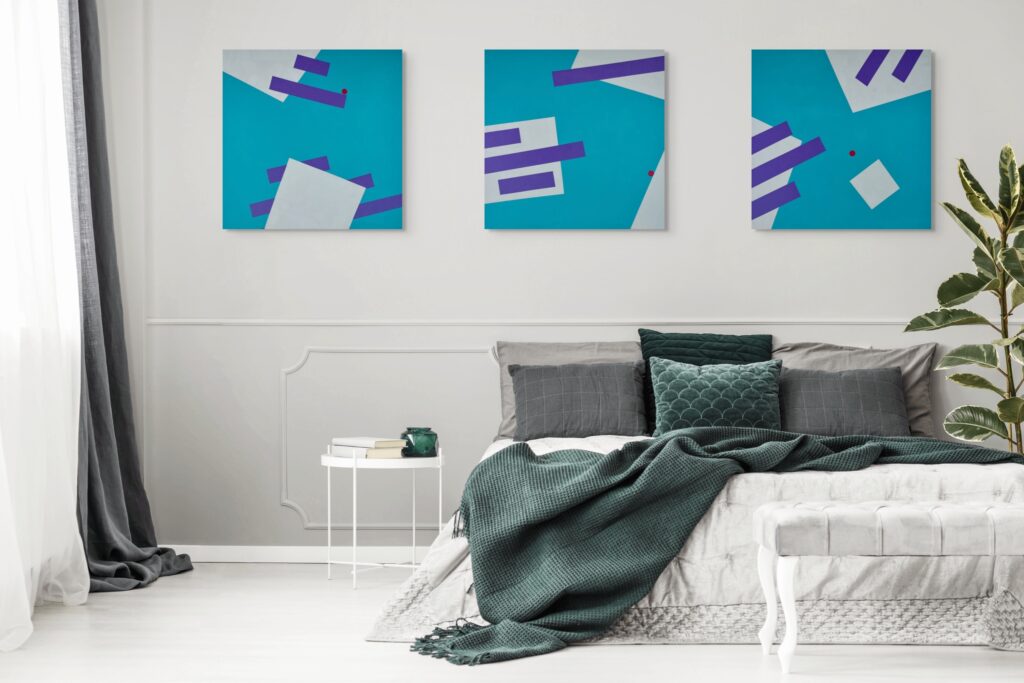
Discover Adra’s geometric explorations – Gravity: Uplifting, Gravity: Pulling, and Gravity: Propelling – are available for acquisition, distinguished by their layered textures and refined structure, offering a lasting conversation between material, form, and space.
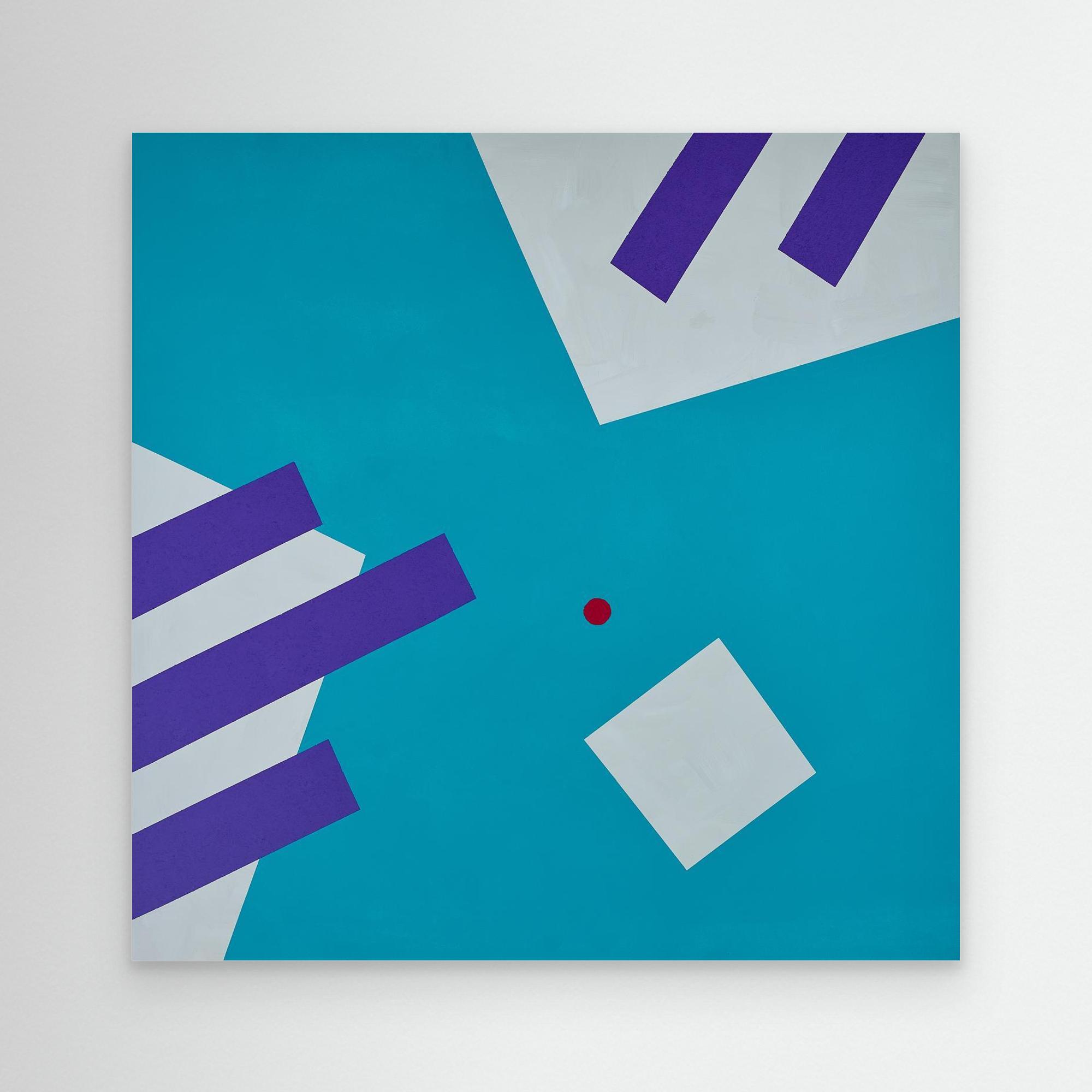
Gravity: Uplifting

Gravity: Pulling
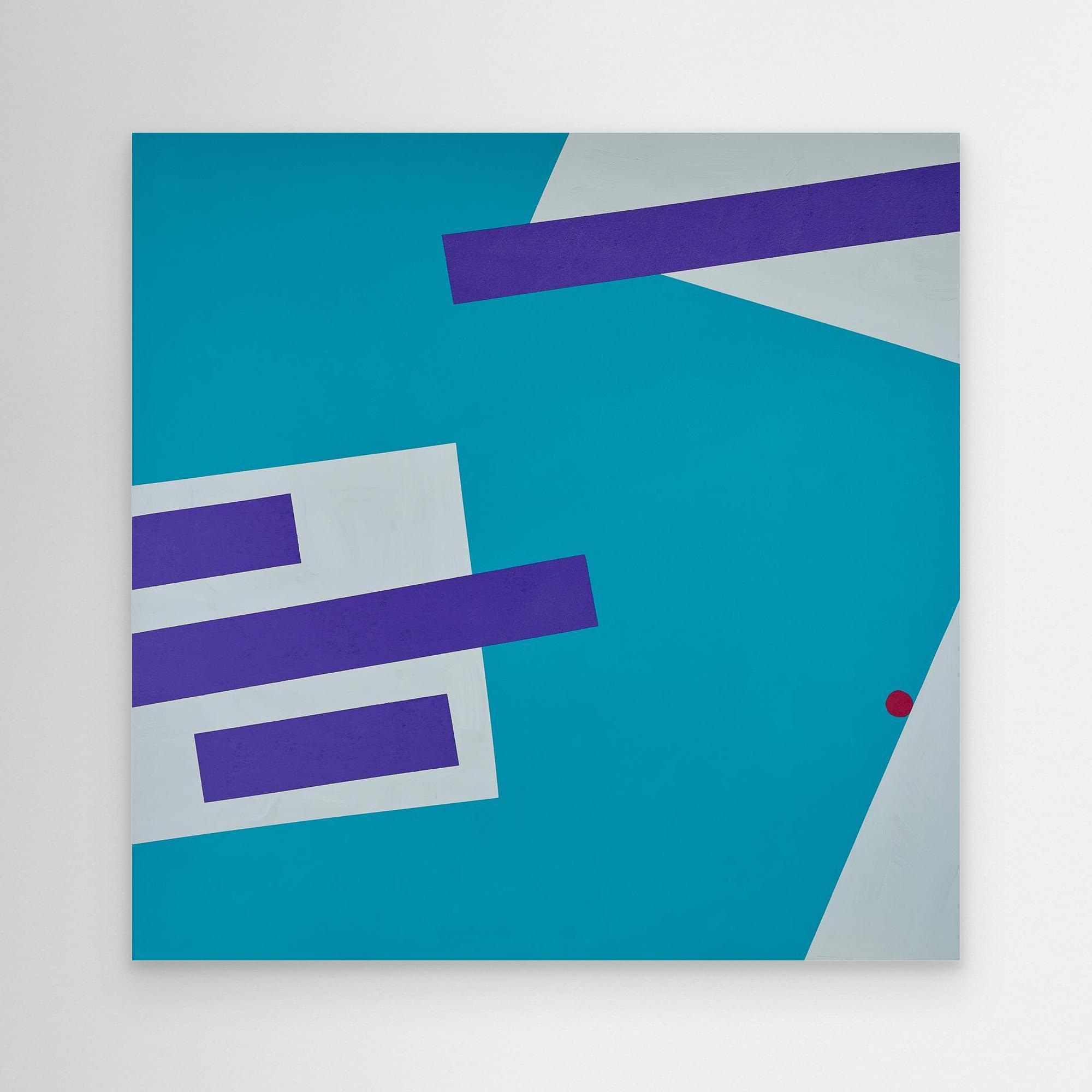
Gravity: Propelling
Choosing a Surface for Textured Geometric Paintings
Selecting the right surface is a crucial first step in creating textured geometric paintings. Don’t forget the surface not only supports the weight and structure of the texture but also affects the overall appearance and durability of the artwork. For geometric abstraction and wall art that truly stands out, artists often choose sturdy materials such as wood panels or primed MDF boards. These surfaces can comfortably bear the weight of plaster and other dimensional effects, which give geometric paintings their striking presence.
Before painting, it is important to prime the surface with gesso. Priming the art board before applying texture paste helps prevent moisture absorption that can cause cracking and damaging over time. Properly preparing the surface ensures that the painting retains its texture and vibrancy for years. Whether your aim is to add a bold new dimension to your home or acquire a unique piece for a collection, choosing the right surface is essential to creating art that lasts and leaves a lasting impression.
Creating Texture Paste: Tools and Recipes
The secret to striking textured geometric paintings often lies in the texture paste itself. Making your own paste allows you to control the final appearance and tactile quality of your artwork. Mixing texture paste should be done in small amounts to avoid waste, as it does not keep well once mixed. A popular recipe combines Plaster of Paris for bulk and hardness, PVA glue for strong adhesion, and acrylic paint to add colour and a smooth, less absorbent finish.
By adjusting the amount of Plaster of Paris, you can create a paste that is either thick and sculptural or smooth and subtle, depending on your creative vision. The right tools make a significant difference. Palette knives, trowels, and profile combs let you experiment with a range of techniques and patterns, giving each painting a distinctive character.
Artists try different recipes and tools to find what suits their style. With a little experimentation, artists can discover new ways to build texture, enhance colour, and bring your geometric art vividly to life.
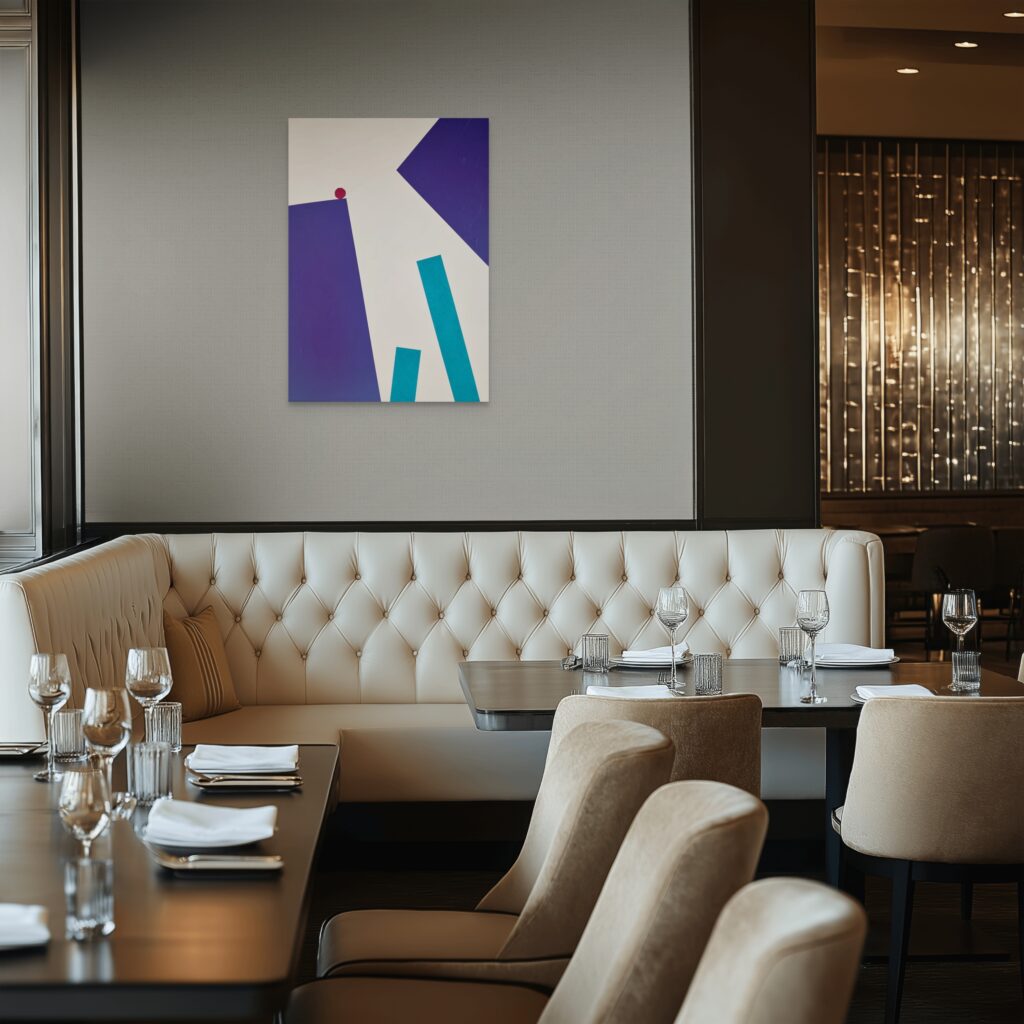
Techniques for Creating Textured, Sculptural and 3D Effects in Geometric Art
Texture in geometric art is achieved through a variety of techniques, including palette knife application, impasto layering, and relief construction. Choosing the right surface is essential for durability and proper adhesion. Sturdy materials such as wood panels or MDF boards are recommended to support the weight of plaster and other dimensional media. These methods allow artists to sculpt the surface, giving geometric shapes a three-dimensional presence that shifts with light and perspective.
Textured geometric wall art can add depth and sophistication to interiors, particularly in spaces with a minimalist or monochromatic design. The raised 3D ridges interact with light, casting dynamic shadows and adding warmth and a sense of handcrafted luxury.
#1 Layering and Relief Techniques
Applying multiple layers creates dimensional contrast in geometric forms. Some artists extend their work into wall reliefs, blurring the line between painting and sculpture.
#2 Impasto Techniques and Palette Knife
Impasto techniques and palette knife painting uses flat palette knives instead of brushes to create sharp edges and textured fields. Impasto involves applying thick, heavy-bodied paint to create raised ridges and textures, while modelling paste and gesso can be shaped into 3D forms using palette knives before painting. Palette knife painting allows for precise, textured fields without the softness of brushwork.
#3 Stencil Work
Stencil work is often used to apply texture paste in precise geometric patterns, ensuring clean, sharp lines that complement architectural features.
#4 Sgraffito Techniques
Sgraffito involves scratching lines into wet paint or plaster to introduce intricate texture and visual interest.
#5 Carving or Incising
Artists sometimes carve into thicker layers of plaster or modelling paste to create patterns, grooves, or negative space within geometric forms. This is slightly different from sgraffito, as it can involve deeper cuts and more sculptural effects.
#6 Sanding and Polishing
After layers have dried, sanding or lightly polishing areas can create subtle variations in texture and smoothness, enhancing contrast between raised and flat surfaces.
#7 Embossing or Pressing
Pressing objects (like mesh, fabric, or textured stamps) into wet paste can create repeating geometric patterns or relief textures.
#8 Collage Elements
In addition to mixed media, adding pre-cut paper, metallic foils, or thin boards can create layers and geometric depth without relying solely on paste.
#9 Layered Glazes
Using translucent glazes over textured surfaces can accentuate depth and shadows, highlighting the dimensional quality of geometric forms.
#10 Mixed Media
Mixed media techniques incorporate physical materials such as cardboard, sand, or fabric into the canvas, adding both texture and a tactile, multidimensional quality.
The table below summarises the most popular techniques for creating texture in geometric paintings, highlighting their purpose, the materials used, and the visual effects they produce.
Technique | Why Use It | Tools and Materials | Effect on the Artwork | Layering and relief | To add depth and dimension | Paint, plaster, modelling paste | Shapes rise off the surface, catching light and shadows beautifully |
|---|---|---|---|
Palette knife and impasto | For bold, dramatic texture | Palette knives, thick paint, modelling paste | Sharp ridges and tactile surfaces that pop visually |
Stencil work | To achieve crisp, precise patterns | Pre-cut stencils, texture paste | Clean geometric shapes that enhance architectural lines |
Sgraffito | To add intricate detail | Scratching tools, wet paint or plaster | Fine, scratched lines that create movement and interest |
Carving / incising | To sculpt deeper patterns | Knives, carving tools, thick paste | Deep grooves and sculptural 3D forms |
Sanding and polishing | To refine and highlight textures | Sandpaper, polishing tools | Smooth and raised areas contrast for subtle light play |
Embossing / pressing | To create repeating patterns | Mesh, stamps, fabric, texture paste | Geometric textures with a sculptural, tactile feel |
Layered glazes | To emphasise depth and shadow | Transparent glazes, brushes | Enhances light and shadow, making textures visually pop |
Mixed media | For playful, unexpected textures | Fabric, sand, cardboard, recycled materials | Adds tactile, multidimensional surfaces and a unique, handcrafted touch |
Designing a Geometric Pattern: Tips and Inspiration
For many artists, designing a geometric pattern is where creativity and intuition converge. Shapes like circles, triangles, and lines are explored and layered, often guiding the composition with a sense of directional flow that emphasises texture and depth. Pencil sketches, radius markings, and centre points frequently serve as starting frameworks, providing the precision that geometric art demands while still leaving room for improvisation.
Artists often experiment directly on the surface, scraping away and reapplying texture paste as patterns evolve, allowing the work to develop organically. Inspirations range from mid-century modern aesthetics and abstract art to forms found in nature, all contributing to compositions that are at once structured and expressive. In this way, the creation of a geometric painting becomes a dynamic interplay of planning, material, and imagination, resulting in pieces that are truly unique and imbued with the artist’s personal vision.
Adding Colour and Finish to Textured Geometric Paintings
For artists, adding colour and finish to a textured geometric painting is where the work truly comes alive. The dimensional surface, built from layers of paste or modelling medium, becomes a canvas for exploration, as each brushstroke, wash, or glaze interacts with the raised shapes to create depth and movement. Many artists layer bold acrylics over the textured forms, while others experiment with metallic or iridescent finishes that catch the light, emphasising the peaks and valleys of the surface.
The choice of colour plays a significant role in shaping the mood and impact of the piece. Vivid, saturated hues create striking contrasts with the geometric forms, while softer, neutral tones lend subtlety. Artists often work intuitively, adjusting colour as the painting develops, allowing the interplay between tone, texture, and form to guide their decisions.
Finish is equally important. A glossy varnish can make colours pop and highlight the three-dimensional qualities of the texture, while a matte surface offers a restrained, contemporary look that lets the shapes and structure dominate. Some artists combine finishes within a single work, creating areas of contrast that draw the eye and add intrigue.
Throughout the process, painters respond to the texture as it evolves, layering, blending, or glazing to accentuate the geometry and enhance the tactile qualities of the surface. The result is a product that is not just seen, but felt where colour, form, and finish interact to produce a work that is unique, expressive, and full of character.
The textured geometric artworks often receive positive feedback for their quality and craftsmanship.
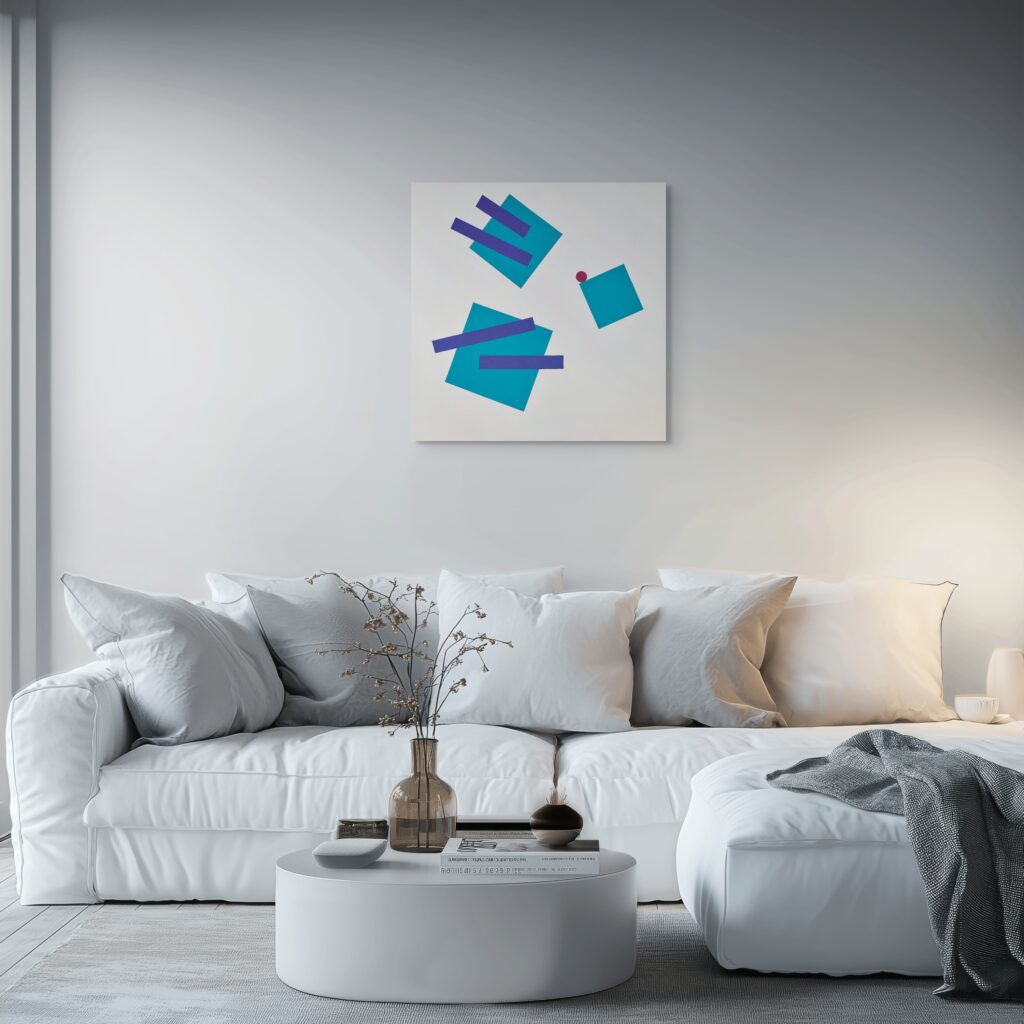
Colour Theory in Textured Geometric Paintings
Colour plays a central role in how texture is perceived in geometric paintings. Applied as a finishing touch, it can dramatically enhance visual interest and bring relief and dimension to the surface. Monochromatic schemes, often in whites or neutral tones, draw attention to subtle surface details, while bold, contrasting colours emphasise shapes and create a striking sense of depth. The interaction between colour, texture, and light adds richness and complexity, making the artwork dynamic and visually engaging.
The way colour is applied also affects its impact. Many artists prefer to add paint or a finish after sculpting the texture paste rather than mixing colour into the paste, preserving the tactile quality while enhancing visual contrast.
Three main aspects of colour theory influence textured geometric paintings:
- Monochrome vs Bold Colour Palettes – Neutral or soft tones highlight texture and relief, while bold colours accentuate geometric shapes and add dramatic contrast.
- Light, Shadow, and Depth – Raised textures interact with light, creating shifting shadows and highlights that change the painting’s appearance throughout the day.
- Application and Finish – The method and timing of applying colour or varnish affect how the surface interacts with light and how the texture is perceived. Glossy finishes make shapes and textures more pronounced, while matte finishes emphasise subtlety and form.
Together, these elements allow artists to create great works that are visually striking, tactile, and full of dimensional complexity.
How to Choose Textured Geometric Paintings for Your Space
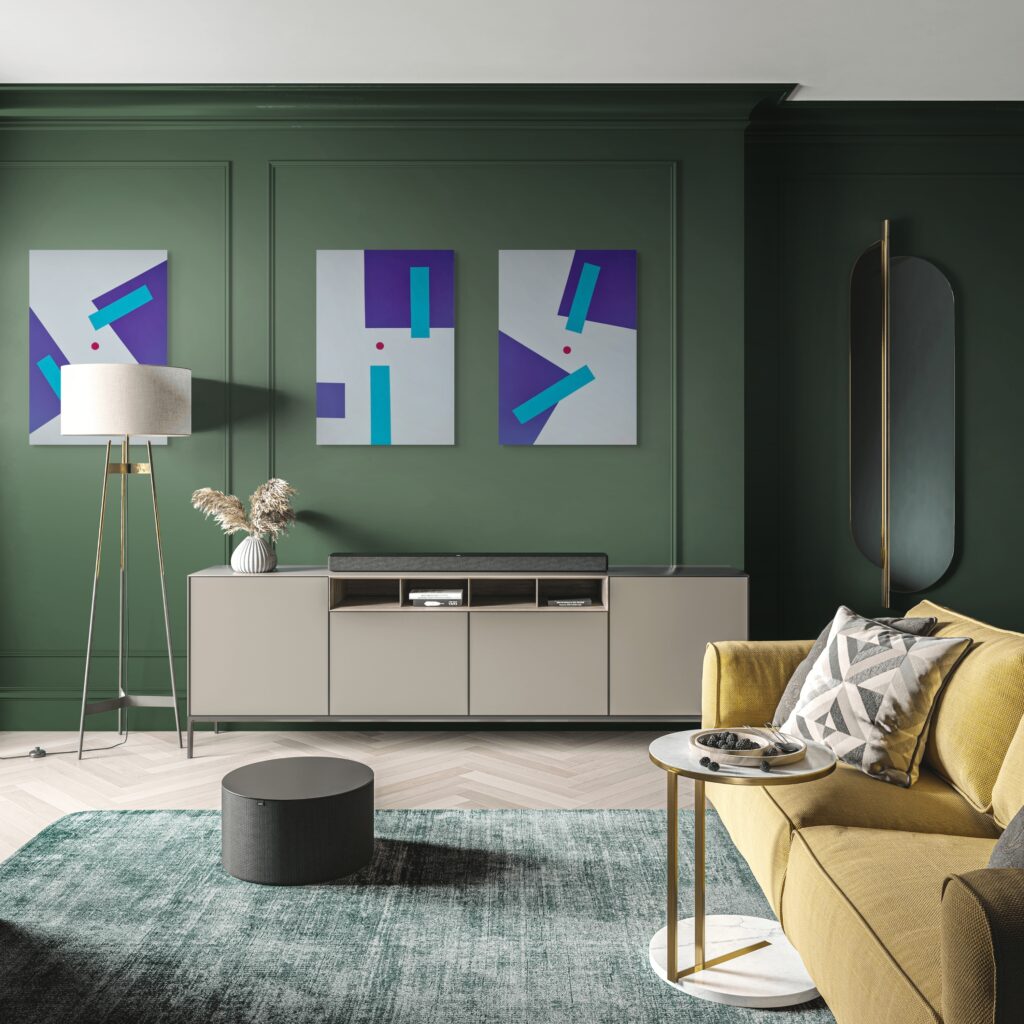
When selecting textured geometric paintings, it is important to consider the scale, colour palette, and intensity of the texture. The artwork should complement the architectural lines of the room, enhancing the space rather than competing with it. Large pieces work well as focal points, while smaller works add subtle interest and support existing décor. Aligning the painting’s style with your interior design helps create a cohesive and visually balanced environment.
#1 Matching Art to Interior Design Styles
Textured geometric wall art is ideal for accenting interiors with a soft spot for monochromatic design. Textured geometric paintings integrate seamlessly into modern, industrial, and minimalist interiors, adding depth and a contemporary edge.
#2 Choosing the Right Size and Scale
Large-scale paintings make a strong visual impact, while smaller pieces provide nuance and accentuate other elements in the room.
#3 Framing and Display
The way a textured geometric painting is framed and displayed can transform it from a creative piece into a striking work of art. Simple or thin floating frames enhance the texture and bold lines, while deep canvases or frameless presentations highlight dimensionality for a modern effect. Placement should consider the room’s colour scheme and style, whether the painting is intended as a statement piece or a subtle accent. Custom framing can be expensive, so collecting frames before creating art is a practical approach.
By thoughtfully considering style, scale, and display, textured geometric paintings can bring colour, depth, and personality to any space, creating a home that feels both unique and complete.
Where to Buy or Commission Textured Geometric Paintings
Textured geometric paintings can be found through online art platforms, galleries, and independent artists. Platforms such as Saatchi Art showcase a diverse selection of geometric works by emerging artists from around the world. Saatchi Art ensures authenticity by providing certificates with each purchase, giving you confidence in your investment. Every geometric wall painting from Savy Canvas is created by a professional artist using high-grade acrylics and oils.
Commissioning a custom piece offers the opportunity to tailor colours, sizes, and textures to suit a particular space and personal taste. Many online marketplaces provide filters to refine searches by style, size, colour, or budget, helping buyers discover artworks that meet their requirements. Availability is also an important consideration, as some pieces may be in or out of stock.
These artworks are often praised for their quality and craftsmanship. Customers appreciate the careful packaging of textured geometric artworks, which often includes custom-built crates or protective materials. Many reviews highlight the customer satisfaction with the communication and service provided by the sellers of textured geometric artworks. What’s more many report that the works appear even more striking in person than they do online.
#1 Online Art Marketplaces
Various platforms offer original textured geometric paintings, making it easy to browse a wide range of styles and price points.
#2 Working Directly with Artists
Commissioning directly from an artist allows full customisation of colour, size, and texture, resulting in a piece that is truly personal and unique.
Why Textured Geometric Paintings Are Worth Investing In
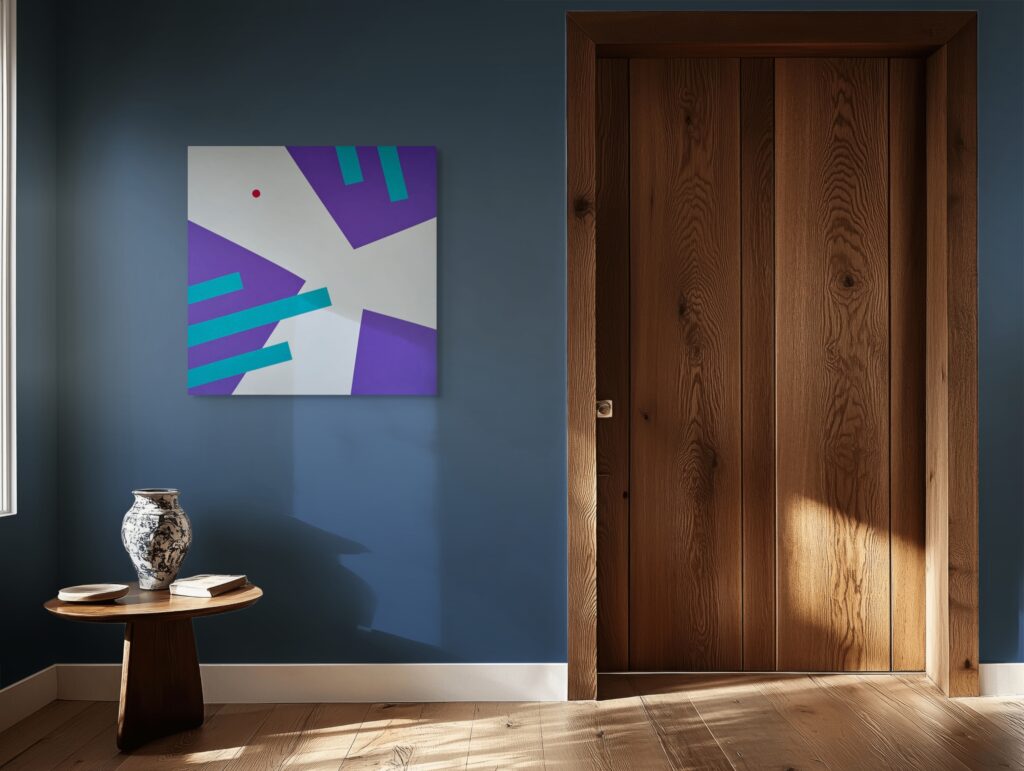
Textured geometric paintings are remarkable for their ability to combine precise structure with tactile depth. Purchasing original works not only supports artists but also fosters creativity and artistic innovation. By merging geometric precision with layered, dimensional surfaces, these paintings create a modern form of artistic expression that is visually engaging, versatile, and timeless.
Their combination of form and texture makes them striking additions to any art collection or interior space. Whether created or acquired, textured geometric paintings offer accessibility for anyone with an interest in contemporary art, while providing enduring aesthetic and investment value.
🖼️ Quiz: Textured Geometric Paintings
Test your knowledge of geometrical abstraction on canvas.
Question 1 of 3
Which of the following techniques involves scratching lines into wet paint or plaster?
What is the main purpose of using texture in geometric paintings?
Which combination of colour schemes is commonly used in textured geometric paintings to emphasise form and depth?
Conclusion: The Impact of Geometric Art
Geometric paintings represent a dynamic and innovative form of wall art, bringing structure, creativity, and bold visual impact to any space. From the early days of geometric abstraction to today’s textured masterpieces, artists have continually explored new techniques and materials to create works that are both striking and deeply expressive. Understanding the process from designing shapes and adding texture to selecting colour and finish, allows anyone to appreciate the artistry and craftsmanship behind these unique pieces.
Whether you are a homeowner, art collector, or interior designer experimenting with new forms or a collector seeking the perfect original piece, geometric paintings offer endless possibilities. Their clean lines, bold shapes, and vibrant colours can transform a room, adding cohesion, character, and inspiration. With a growing range of works available online and through art marketplaces, it is now easier than ever to find geometric wall art that enlivens a home or office.
Beyond their aesthetic appeal, investing in these artworks supports artists and the wider creative community. Every piece carries a unique story, a touch of personal vision, and the potential to turn walls into expressions of imagination and style. With the right geometric painting, your space becomes
Are You Ready to Add Depth and Style to Your Space with Textured Geometric Art?
Transform Your Space with Uplifting Art
Browse my collection of mood-boosting geometric paintings.
FAQ - Frequently Asked Questions

Unlocked. Congratulations!
Use code ADRA10 at checkout.
Only available the next 1 hour.
Your Discount for Mood-Boosting Art is Waiting
Enter your email to unlock your one-time discount.
By signing up, you’ll receive curated emails with early collection access and interior art styling tips. Unsubscribe anytime.