How to Choose Abstract Paintings for Living Room: Practical Insights
Table of Content
If you’re searching for abstract paintings for your living room, you’re in the right place. Selecting abstract paintings is an exciting part of decorating your living room, allowing you to enhance your space with colour, depth, and personality. Abstract art also brings elegance to your living room, infusing the space with a sophisticated and refined aesthetic. When selecting abstract art for your living room, it is always important to consider the room’s existing design.
That large, empty wall in your living room – it’s staring at you, isn’t it? You know it’s the perfect spot for a statement piece of art, but the thought of choosing one, especially a sizeable piece, can feel daunting. What if it’s too big? What if the colours clash? What if you spend a fortune and end up disliking it? Take a deep breath. I’m an abstract painter and architect, and I know that abstract paintings can transform a living room by adding personality, depth, and a unique focal point.
This guide is for anyone looking to bring geometric abstract wall art into their living space with confidence – for homeowners, interior designers and art collectors. Here, I’ll share practical, designer-tested insights to help you select, style, and hang the perfect piece – one that feels as though it was made just for your home.
Overview of Abstract Wall Art for the Living Room
Many iconic artists have shaped the way we understand abstract art in interior spaces. Mark Rothko is celebrated for his large, colour-field paintings that create immersive moods, while Piet Mondrian’s geometric compositions use simple lines and primary colours to add clarity and balance. Collections inspired by these masters can bring sophistication, history, and a sense of cultural resonance to your living space.
Abstract artwork has become a popular choice for modern interiors. Abstract wall art is often a creative mix of different colours, shapes and patterns, which together form a unique design. Its beauty lies in its ability to evoke emotion and spark imagination, allowing each viewer to freely interpret it in a personal way. Abstract wall art brings creativity into the living room, inspiring artistic flair and encouraging personal expression in your decor. Abstract wall art invites personal interpretation, allowing each viewer to experience the piece in a unique and meaningful way.
This universal quality makes abstract wall art particularly well suited for the living room. Unlike more literal artworks, non-figurative art doesn’t compete with furniture, interior character or existing decor. Instead, it complements the space, adding personality and depth without overwhelming it. Simple forms and geometric pieces work well in modern, sophisticated spaces.
When we understand what makes abstract art so adaptable and engaging, we can move forward to explore its specific benefits in the living room.
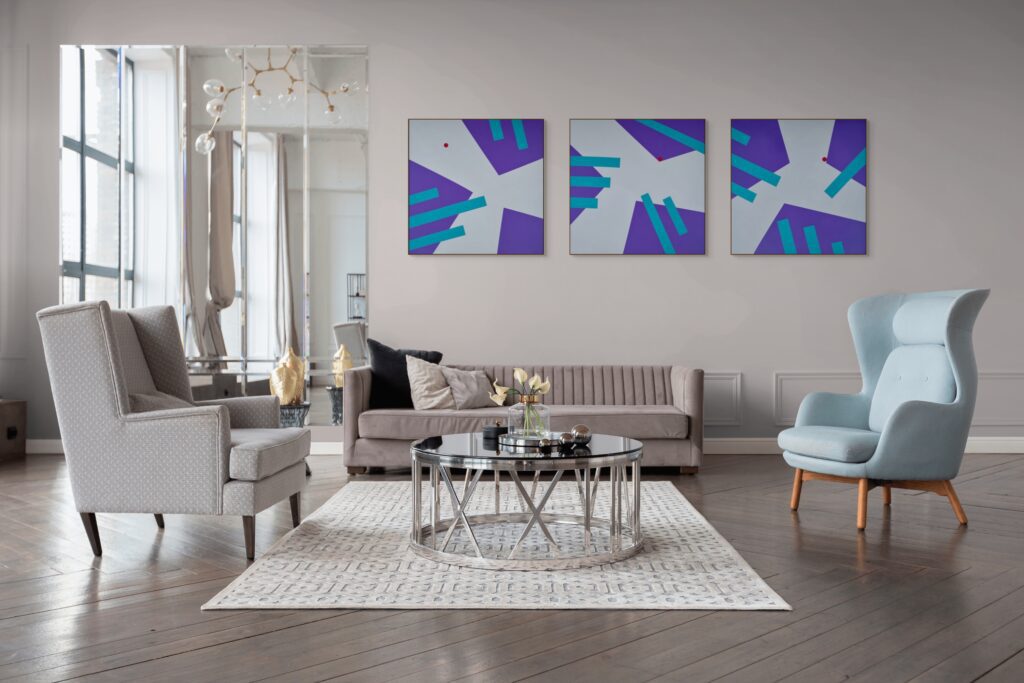
Benefits of Abstract Wall Art in the Living Room
Adding abstract wall art to your living room does more than fill empty walls – it can transform the mood, focus, and style of your space by adding personality, depth, and a unique focal point. Abstract wall art also brings charm to the living room, infusing it with character and a sense of sophistication that makes your home feel more inviting and distinctive. The main benefits of abstract wall art in the living room are:
- Sets the Mood – Abstract wall art can instantly influence the atmosphere of a room, creating calm, energy, or sophistication through colour and form.
- Acts as a Visual Focal Point – It draws the eye and anchors the room’s design, helping furniture, rugs, and accessories feel balanced and purposeful.
- Highly Versatile – Abstract wall art is a timeless and versatile style that transforms any space through bold colours, dynamic shapes, and imaginative compositions.
By adding abstract wall art, you not only enhance your living room visually but also set the tone and rhythm of the space, creating a focal point that complements your décor.
With these benefits in mind, the next step is learning how to choose the right size, scale, and orientation to ensure your artwork fits perfectly and looks intentional.
How to Choose the Right Size, Scale and Orientation
Let’s tackle the biggest concerns first: size, scale and orientation. Getting these right is the key to making large art feel intentional and integrated, rather than awkward or oversized. Fortunately, you don’t need to guess – a few simple rules are all it takes. Below, you’ll find practical tips for choosing the right size, scale, and orientation for abstract paintings in the living room.
#1 Measure Your Furniture
If the artwork is going above a sofa, a reliable guideline is to choose a piece that is roughly 60–75% of the sofa’s total width. For example, for a 96-inch (244 cm) sofa, look for art between 57 and 72 inches (145–183 cm) wide. This proportion ensures that the artwork feels anchored by the furniture without dominating the space.
#2 Consider the Wall Space
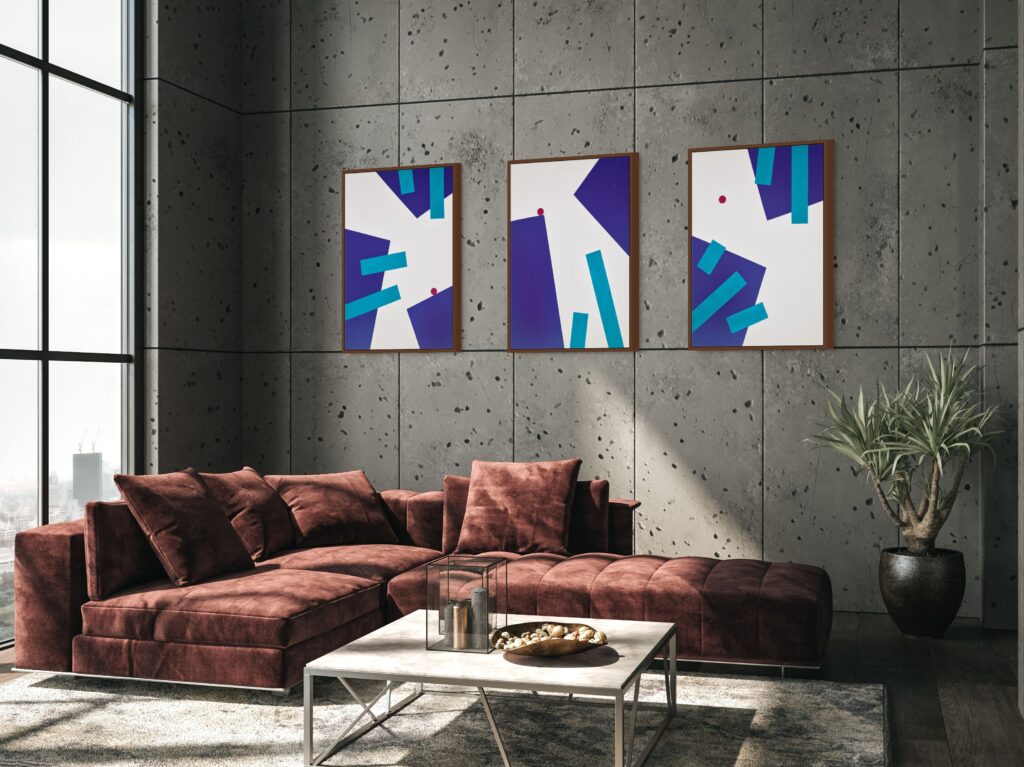
Next, think about the wall itself. Always leave about 6–12 inches (15–30 cm) of “breathing room” on either side of the artwork. This negative space frames the piece and stops the wall from feeling cramped. Whether you choose a single dramatic canvas or a set of panels – a diptych (two panels) or triptych (three panels) – the arrangement can create rhythm and visual interest, especially on larger walls.
#3 Choose Portrait or Landscape Orientation
A landscape format works well over sofas, sideboards, or low furniture, emphasising width and creating a sense of stability. Portrait orientation, on the other hand, can accentuate height and work beautifully in narrow wall spaces or between architectural features like doors or windows. Think about how the orientation interacts with furniture, ceilings, and other elements in the room.
#4 Consider Scale Relative to Furniture
Scale isn’t just about width, it’s also about height and how the piece relates to surrounding furniture. A piece that’s too small can feel lost, while one that’s too large may overwhelm the room. Aim for artwork that sits comfortably above or around furniture, leaving enough space to “breathe,” and don’t be afraid to experiment with multiple pieces for a gallery-style effect.
Choosing the right size, scale, and orientation is the foundation of displaying abstract wall art successfully. By measuring your wall and furniture, leaving enough breathing space, matching colours to your room, and selecting the appropriate orientation, you ensure that the artwork feels balanced, intentional, and harmonious within your living space.
With these principles in place, we can now move on to the next step in creating a striking living room: selecting the right type of abstract wall art that complements your style and enhances the overall atmosphere.
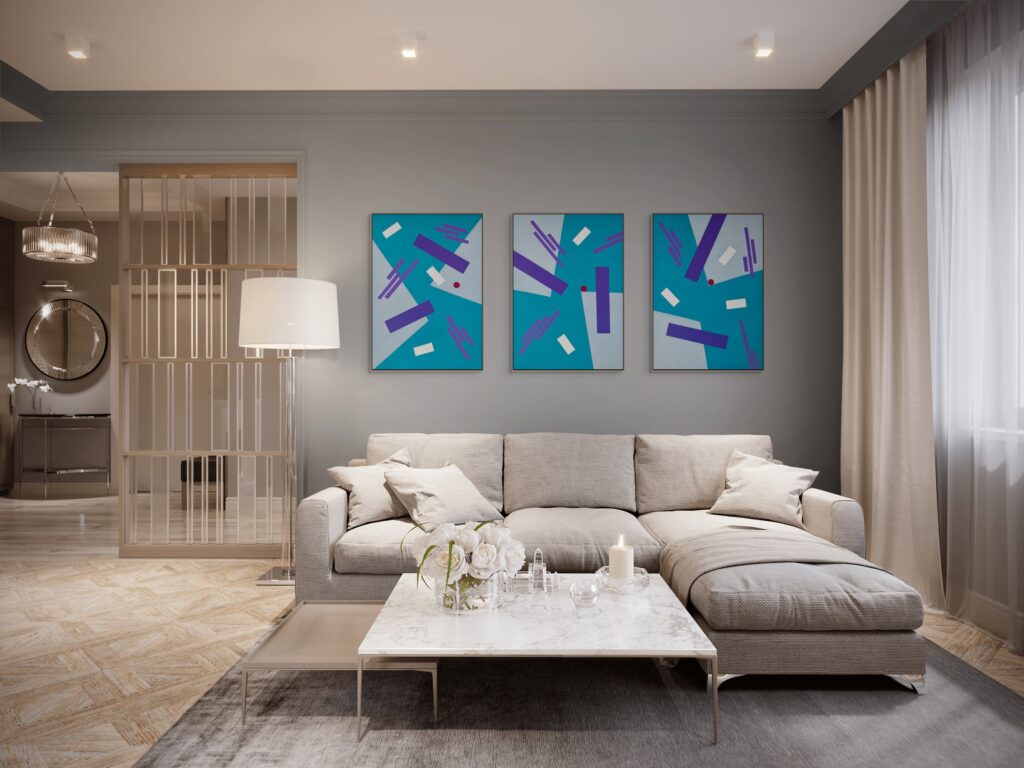
Selecting the Right Abstract Wall Art Type
Once you’ve considered size, scale, and orientation, the next step is choosing the type of abstract artwork that best suits your living room, lifestyle, and budget. Abstract wall art comes in a range of formats, each with its own benefits and considerations. There is a wide selection of abstract wall art available for living rooms, including posters, prints, canvas, watercolours, and graphic compositions, so you can easily find the perfect piece to match your style and decor.
#1 Original Paintings
Original paintings are unique pieces, full of texture, depth, and character. Large or oversized canvases serve as excellent focal points that command attention and prevent a room from feeling cluttered or empty. They make a strong statement and often become the defining feature of a room. However, they tend to be more expensive and require careful handling and placement. Choose an original if you want a one-of-a-kind artwork that truly transforms your living space.
- 💡 Tip: Position originals where they can be appreciated up close and allow space for the texture and detail to stand out.
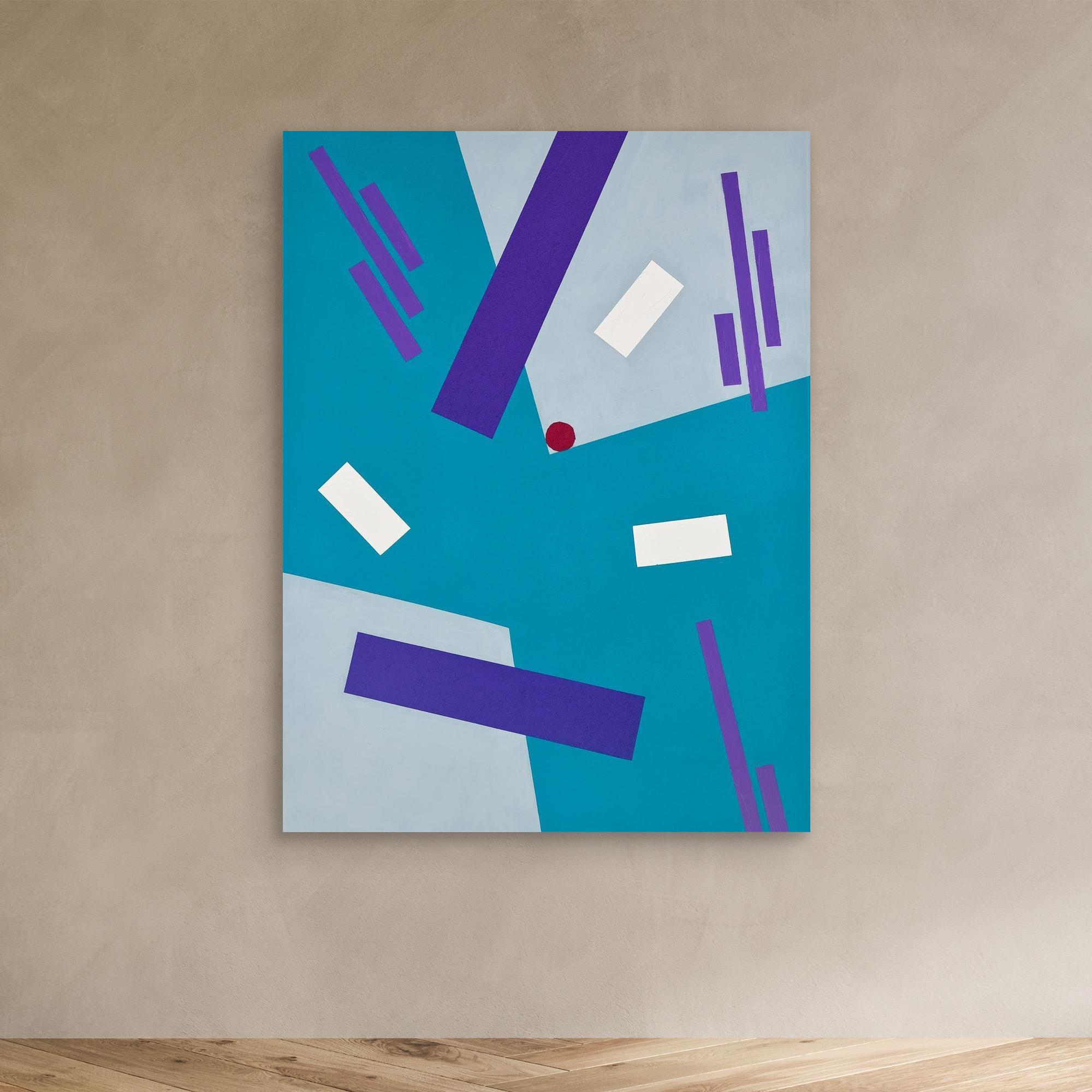
Discover the “Balance” triptych by Adra, featuring her signature red dot, textured purple shapes, and a turquoise plain background, and see how carefully chosen colours and forms can transform a living room into a harmonious space.
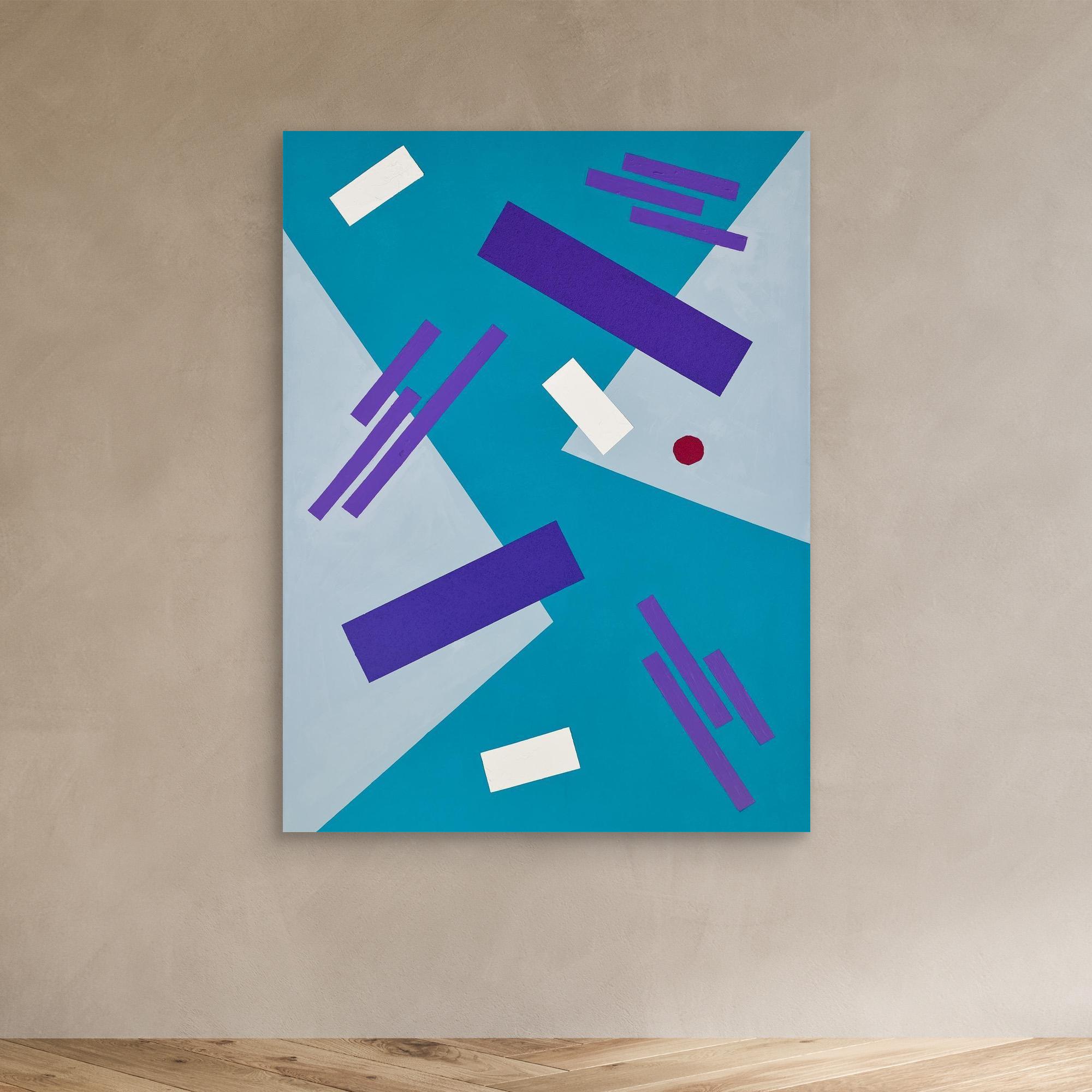
Balance: Momentum
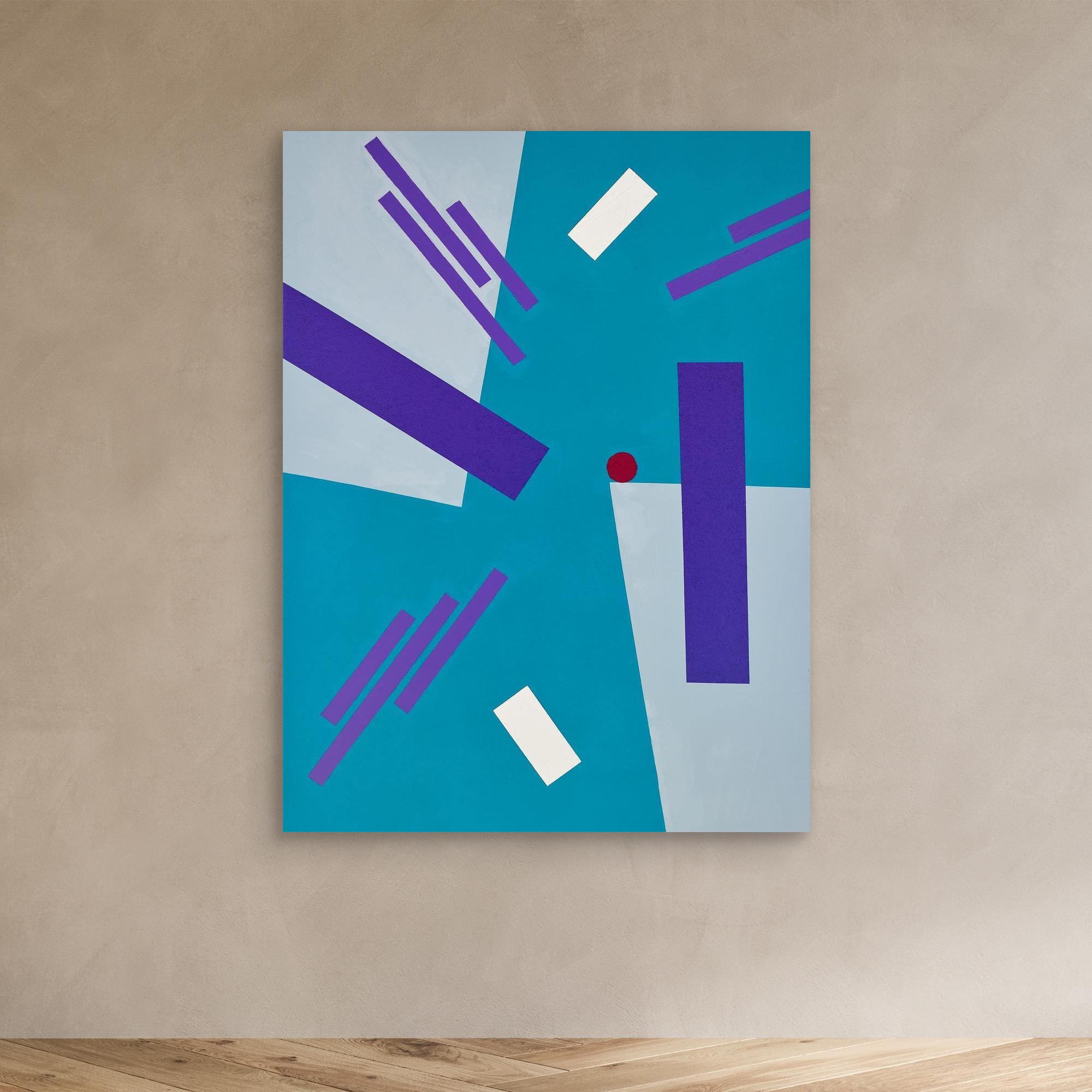
Balance: Curiosity
Balance: Comfort
#2 Limited Edition Abstract Art Prints
Limited edition fine art prints offer a middle ground between originals and posters. Such abstract art prints are produced in small quantities and often signed by the artist. In this way these art prints maintain a sense of exclusivity and quality. They are ideal for collectors or anyone seeking a piece that feels special without the full price of an original painting. A colourful abstract print can energize a neutral room, while a more subtle, monochrome design can bring calm to an already expressive space.
- 💡 Tip: Consider framing limited editions of abstract wall art prints in quality frames and glass to protect them while enhancing their presence.
#3 Abstract Posters
Abstract poster prints are budget-friendly and versatile, allowing you to experiment with different styles, colours, and sizes without a large financial commitment. While they may lack the texture and depth of an original, a well-chosen poster can still create impact – especially when framed thoughtfully.
- 💡 Tip: Even simple posters can look high-end if paired with a matching frame and placed at eye level.
It’s also worth considering the material and finish of your artwork. Canvas prints add texture and a gallery-like feel, while paper prints in high-quality frames offer a sleek, contemporary look. Acrylic or metal prints can provide a modern, glossy finish that interacts beautifully with light. Choosing a material that complements your room’s style enhances cohesion and elevates the overall design. Think about the lighting in the room – glossy surfaces reflect light differently, which can change how the art is perceived.
Finally, consider the longevity of your piece. Some materials, such as archival paper or high-quality canvas, are more durable and resistant to fading, ensuring your artwork remains vibrant for years to come. For sunny rooms, look for UV-protected prints or glass to prevent colour fading over time.
With an understanding of the different types of abstract wall art and how they fit your space, the next step is deciding which style and composition will best express your personality and elevate your living room.
Which Geometric Style Fits Your Decor and Personality?
When it comes to geometric abstract wall art, “geometric” is a broad term that covers a fascinating variety of styles. The key to selecting the right piece is matching the art’s personality to your room’s aesthetic, so it enhances rather than competes with your space.
Choose a piece of abstract wall art that you love and that resonates with your personality, as the emotional connection you feel will make it a truly meaningful addition to your living room.
#1 Are You the Minimalist?
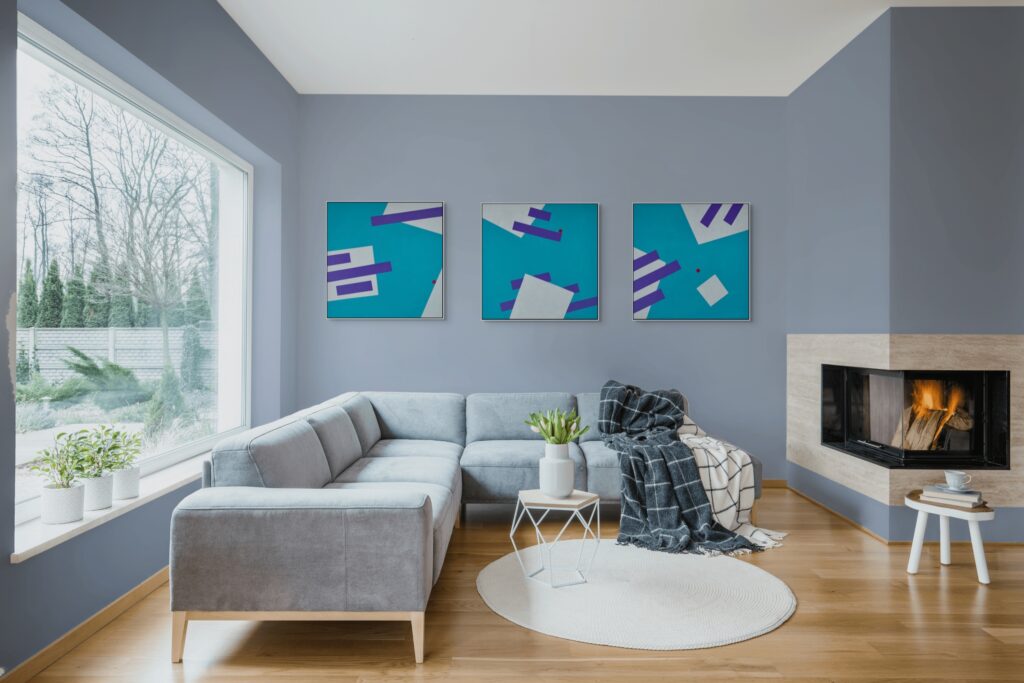
For the Minimalist: If your home is modern and uncluttered, you might be drawn to Suprematism. This style focuses on basic forms such as circles, squares, and lines paired with a restrained colour palette, emphasising pure artistic expression over unnecessary detail.
- 💡 Tip: Choose pieces with plenty of negative space to maintain a clean, airy feel in the room.
#2 Are You the Rule-Breaker?
For the Rule-Breaker: If you enjoy bold, edgy designs, Neo-Geo, or Neo-Geometric Conceptualism, might appeal. This style uses geometric forms to critique modern life, producing graphic, intellectually stimulating works that make a striking statement.
- 💡 Tip: Place these pieces where they can dominate the eye line, such as above a sofa or fireplace, to maximise their impact.
#3 Are You the Energizer?
For the Energizer: Want a piece that feels alive and dynamic? Op Art uses clever patterns and lines to create optical illusions of movement and vibration, adding energy and visual excitement to your space.
- 💡 Tip: Keep surrounding décor minimal to allow the illusion and energy of the piece to take centre stage.
#4 Are You the Nature-Lover?
For the Nature-Lover: Not all geometric wall art is rigid or hard-edged. Organic Abstraction incorporates softer, curved forms inspired by natural patterns like the spiral of a nautilus shell or the honeycomb’s hexagons. This approach can bring a calming, harmonious energy into your room.
- 💡 Tip: Pair organic geometric pieces with natural materials like wood, stone, or textiles to create a cohesive, nature-inspired interior.
Selecting the right geometric style is about more than just visual appeal – it’s about finding a piece that resonates with your personality and complements your room’s character. By aligning style with your space and taste, you ensure that the artwork not only looks good but also feels right.
With your style chosen, the next step is choosing a colour palette of your abstract gallery wall to create a polished, cohesive look that transforms your living room into a space that feels intentional and inviting.
Picking Colours and Contrast That Work with Your Living Room
Choosing the right colours and contrasts is one of the most exciting parts of selecting abstract designs, wall art and art prints. The shades you pick can set the mood, create harmony, or inject drama into your living space, helping your artwork feel integrated rather than out of place. Selecting the right colour scheme is essential, as the combination of colours in your abstract paintings for living room can influence the overall style and atmosphere, ensuring your decor reflects your personal taste.
#1 Matching Existing Colours
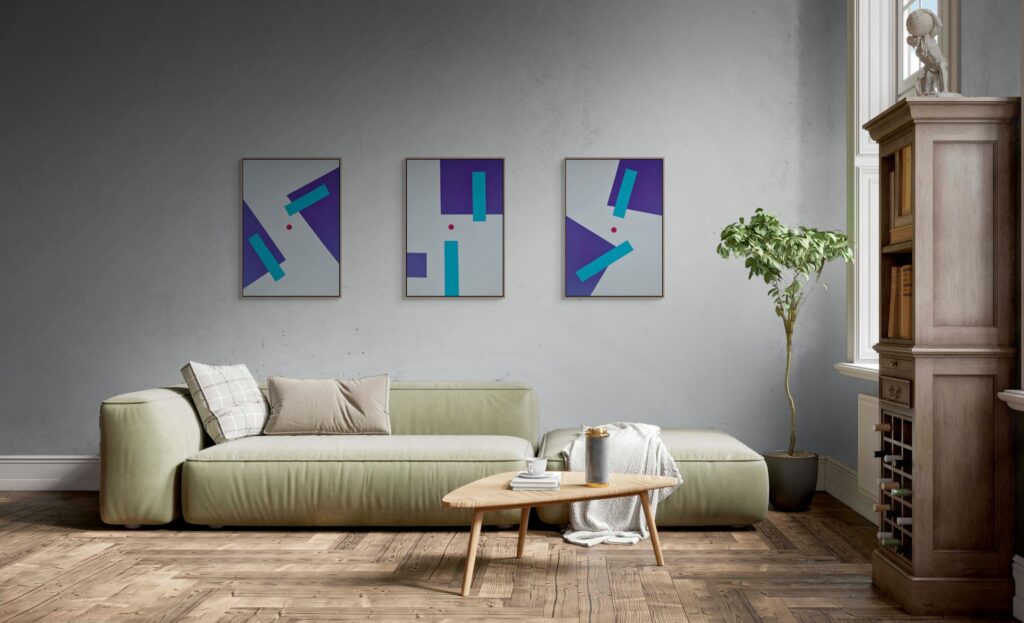
Should you match your décor or go for a bold contrast? The answer depends on the mood you want to create. To achieve a harmonious, serene atmosphere, use your dominant room colour as an anchor hue and select art that incorporates one or two of the existing shades in your space – perhaps from your accent cushions, rugs, or curtains. This approach creates a cohesive, pulled-together feel.
#2 Introducing Contrasting Colours
If you’re craving drama, consider introducing a pop of a contrasting colour. A vibrant yellow or deep blue canvas in an otherwise neutral room can become a striking focal point. Echo the new accent colour in a few smaller décor items, such as a vase, throw, or lamp, so the choice feels intentional and balanced.
#3 Calming Busy Interiors with Neutrals
For busier interiors or rooms with multiple patterns, neutral abstracts are often the best choice, rather than vibrant colours. Pieces in soft greys, muted creams, or subtle earth tones help calm the visual noise and provide a resting point for the eye, allowing furniture and textiles to shine without competing with the artwork. Black-and-white or monochromatic abstracts offer a timeless, sophisticated feel suitable for minimal, modern spaces.
#4 Considering Finish
Finally, consider the finish of your artwork. Glossy, resin-coated pieces reflect light and feel energetic, while matte canvases offer a more subdued, sophisticated texture that complements calm, minimalist interiors. Consider your room’s lighting when choosing the finish – a glossy piece can enliven a darker room, while matte finishes suit bright, sunlit spaces.
After deciding on the overall direction, you can use the table below for more detailed colour strategies to guide your selection:
Colour Strategy | Description | Example Use in Abstract Wall Art | Styling Tip | Muted / cool hues | Soft, calming tones that create a serene atmosphere | Pale blues, soft greys, lavender | Ideal for minimalist or Scandinavian interiors; pair with light wood or neutral furniture |
|---|---|---|---|
Monochromatic | Single-colour scheme using various shades and tints | Different tones of deep blue or warm grey | Creates depth and sophistication; repeat accent shades in cushions or décor |
Earthy tones | Warm, natural colours that feel grounded | Terracotta, ochre, olive green, sand | Works well in traditional, eclectic, or nature-inspired interiors; pair with natural materials like wood, rattan, or stone |
Bold contrasts | High-impact, vibrant hues to create a statement | Mustard yellow on a grey wall, deep blue against cream | Use sparingly to energise a neutral room; echo colour in small accessories for cohesion |
Neutral base | Subdued shades to balance patterns or busy spaces | Cream, beige, taupe, soft grey | Perfect for calming visual noise and creating a flexible backdrop; lets furniture and textiles stand out |
Matching existing colours in your décor creates a cohesive and serene atmosphere, while introducing a bold, contrasting hue can make your artwork a striking focal point. Neutral pieces are ideal for calming busy interiors, and the choice of finish – glossy or matte – can enhance the artwork’s presence and complement your room’s lighting. By thoughtfully considering colour, contrast, and texture, your abstract piece will feel intentional and perfectly suited to your living room.
With colours and contrasts in place, the next step is choosing finishes and frames for your abstract wall art so it sits beautifully in the room, feels balanced with furniture, and becomes a polished, exciting eye-catcher.
Materials, Finish, Frame: Durability and Aesthetics
The material of your artwork plays a key role in both its appearance and longevity. Canvas is a classic choice – lightweight, versatile, and suitable for a wide range of paint types. Wood panels offer a rigid, durable surface, ideal for mixed media pieces. For a sleek, contemporary look, metal provides a distinctive sheen and long-lasting durability, while acrylic sheets deliver exceptionally vibrant colours with a high-gloss finish.
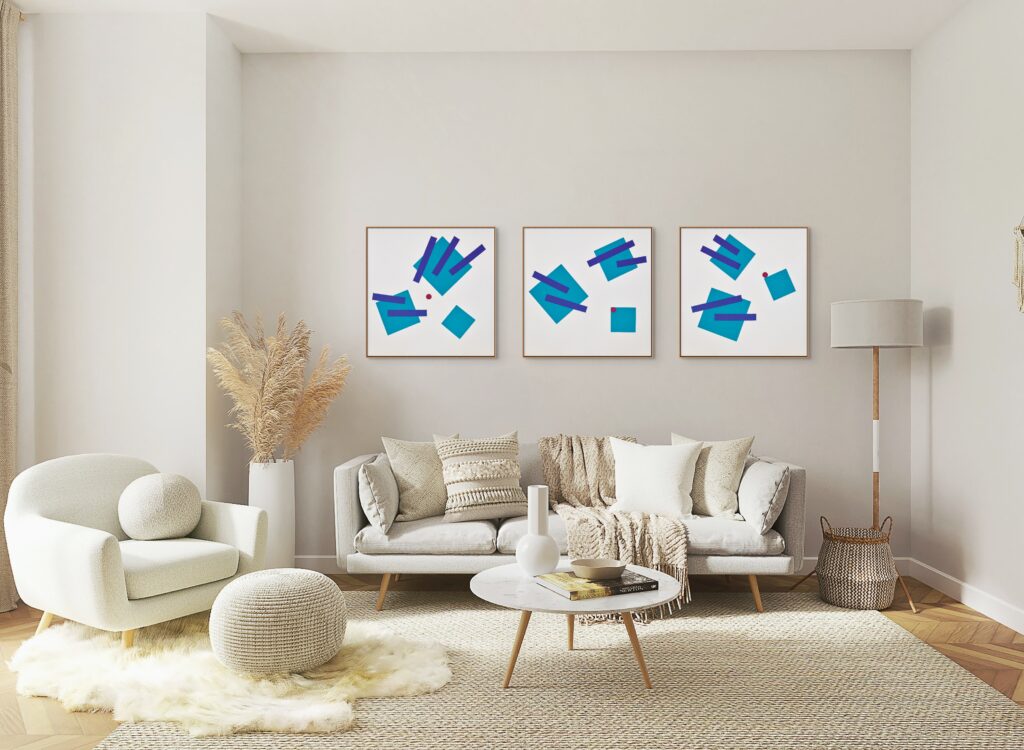
When it comes to presentation, the choice between framed and unframed artwork is largely personal. A gallery-wrapped canvas (unframed) creates a clean, modern aesthetic, while a frame can add a finishing touch that ties the piece into your room’s décor.
With thoughtful finishes and frames, your abstract artwork is ready for hanging.
Hanging and Styling Abstract Art in Your Living Room
Even the most beautiful artwork can lose impact if it’s displayed incorrectly. Proper placement, lighting, and styling ensure your abstract piece enhances your space and feels integrated with the room.
Abstract wall art can also be used to enhance the bedroom, adding warmth and personality to this personal space.
To create a cohesive gallery wall in your living room, combine different styles and prints of abstract art, mixing colours and sizes for a harmonious, stylish display.
#1 Positioning and Height
- Hang artwork at eye level, roughly 145–152 cm (57–60 inches) from floor to centre.
- When placing art above a sofa, console table, or fireplace, the painting should be approximately two-thirds the width of the furniture piece to ensure visual balance.
- For focal points, choose a large-scale canvas about two-thirds the width of your sofa with bold, expressive colours.
- For multiple pieces, imagine them as one composition and align around a consistent centre line.
- Leave 15–30 cm (6–12 inches) of space above furniture to maintain balance.
#2 Relationship with Furniture
- Artwork should feel anchored to surrounding furniture, not floating or overwhelmed by it.
- For gallery-style arrangements, stagger heights slightly to create visual rhythm.
- Ensure the piece is proportionate to sofas, consoles, or sideboards.
#3 Styling and Accessories
- Complement your abstract piece with minimal decorative items such as vases, lamps, or throws.
- Avoid placing small objects directly in front of bold artworks, which can distract from the focal point.
- Use accent colours from the artwork in cushions, throws, or décor items to create cohesion.
#4 Lighting
- Observe your artwork at different times of day to see how colours and textures appear.
- Use adjustable track lighting or spotlights to highlight the textures of a canvas.
- Use warm LED or adjustable gallery lighting for evening display.
- Glossy or resin-coated pieces reflect light; matte canvases reduce glare and suit bright rooms.
#5 Final Check
- Step back to ensure the artwork feels balanced and integrated with the room.
- Confirm that frames, hooks, and hanging hardware are secure and can safely support the piece.
- Adjust placement or styling as needed to maximise impact and harmony.
Correct hanging and styling can elevate your abstract artwork from simply decorative to a central feature that defines the room. Position, furniture relationship, accessories, and lighting all work together to create a polished, visually compelling display.
With these considerations in mind, the next step is exploring how to buy or commission abstract paintings for your home, ensuring you select pieces that suit your space, taste, and budget.
Buying And Commissioning Abstract Paintings For Living Room
Once you’ve considered style, size, colour, and materials, it’s time to decide how to acquire your artwork. There are two main routes: purchasing ready-made pieces or commissioning a bespoke painting. You can also browse a curated collection of abstract paintings to discover the perfect fit for your home.
#1 Buying Ready-Made Abstract Paintings
Buying a ready-made abstract painting is straightforward and convenient. Curated collection includes pieces crafted with various themes, colours, and textures, ensuring that each customer finds something for their style preference. Galleries, online platforms, and reputable artists offer a wide variety of styles, sizes, and price points. This approach is ideal if you find a piece that immediately resonates with your space and personality. Consider checking the artist’s portfolio, reviews, and the quality of materials used to ensure your investment will last.
#2 Commissioning a Bespoke Painting
Commissioning a painting is a service provided by artists that allows you to order a truly unique piece tailored to your home. You can specify size, colour schemes, style, and mood, ensuring the artwork perfectly complements your décor. While this option can be more costly and time-intensive, the result is a one-of-a-kind creation that reflects both your taste and the artist’s vision. Communicate clearly with the artist about your expectations, preferred materials, and deadlines to avoid surprises.
#3 Balancing Budget and Quality
Budget is an important consideration. Limited edition prints and smaller works provide an affordable way to enjoy high-quality abstract art, while original paintings or large bespoke pieces tend to be a greater investment. Balancing price with quality, materials, and style will help you make a choice you’ll be happy with for years to come.
#4 Practical Considerations
Don’t forget the practical side: check shipping options on seller website, handling, and installation requirements, particularly for larger pieces. Ensuring your artwork arrives safely and can be hung securely is essential to preserving its beauty and longevity.
Buying or commissioning abstract art offers flexibility for every taste. Ready-made pieces provide convenience and immediate impact, while commissioning a bespoke work allows you to create something truly unique that perfectly complements your living room. If you’re seeking an original painting, consider commissioning a piece directly from an artist whose style you admire.
With your artwork chosen, whether purchased or commissioned, the next step is to ensure everything comes together seamlessly. Let’s move on to a final checklist before hanging abstract paintings.
🖼️Quiz: How to Choose Abstract Paintings for Your Living Room
Test your understanding of selecting the abstract wall art for great room.
Question 1 of 3
What is the recommended width for a large artwork above a sofa?
Which approach helps create a cohesive colour scheme when selecting abstract art?
How high should you hang large artwork in a living room?
Final Checklist Before Hanging Abstract Paintings
Before placing your artwork on the wall, make sure you’ve considered all the key factors to ensure it looks intentional, balanced, and polished:
- Measure Wall and Furniture – Aim for 60–75% of sofa width and leave 15–30 cm of space above and on either side.
- Check Orientation – Decide on portrait or landscape based on wall shape and furniture layout.
- Confirm Colour Schemes – Match dominant colours or add a contrasting accent; echo new accents in small décor items.
- Consider Style and Composition – Ensure the geometric style (minimalist, Neo-Geo, Op Art, organic abstraction) suits your personality and room.
- Review Materials and Finish – Choose canvas, wood, metal, or acrylic with a matte or glossy finish that complements lighting and décor.
- Inspect Frame and Hardware – Make sure frames are sturdy and hanging hardware secure; check gallery-wrapped edges.
- Test Lighting – View the artwork at different times of day to check colours and textures.
- Plan Arrangement for Multiple Pieces – For diptychs, triptychs, or gallery walls, ensure spacing and alignment feel balanced.
- Final Visual Check – Step back and confirm the piece feels integrated, balanced, and visually impactful.
- Ensure the Artwork Speaks – Make sure the abstract painting speaks to your personal style and the atmosphere you want to create in your living room.
Choosing the right large geometric abstract art involves balancing style, size, colour, and personality. Match or contrast colours thoughtfully, select a style that complements your décor, and consider materials, finish, and framing for both look and durability. Whether buying ready-made or commissioning a bespoke piece, careful planning and a thorough hanging checklist will ensure your artwork transforms your living room into a harmonious, stylish, and inviting space.
Are You Ready to Bring Personality and Style to Your Walls Today?
Transform Your Space with Uplifting Art
Browse my collection of mood-boosting geometric paintings.
FAQ - Frequently Asked Questions
Additionally, leave about 15–30 cm (6–12 inches) of “breathing room” on either side.
• Suprematism – uses basic forms and a limited colour scheme for simplicity and calm.
• Neo-Geo – bold, graphic, and intellectually striking.
• Op Art – creates optical illusions of movement and vibration.
• Organic Abstraction – incorporates softer, curved forms inspired by nature.
When hanging above furniture such as a sofa, leave a gap of 15–20 cm (6–8 inches) between the bottom of the frame and the top of the furniture.

Unlocked. Congratulations!
Use code ADRA10 at checkout.
Only available the next 1 hour.
Your Discount for Mood-Boosting Art is Waiting
Enter your email to unlock your one-time discount.
By signing up, you’ll receive curated emails with early collection access and interior art styling tips. Unsubscribe anytime.